
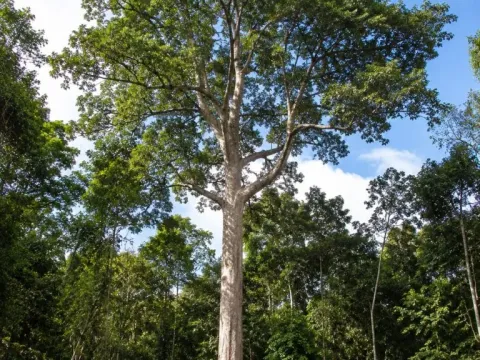
Calophyllum wallichianum
Calophyllum wallichianum
Calophyllum wallichianum is a significant tree species belonging to the Clusiaceae family. Native to the rainforests of Southeast Asia, it is recognized for its robust growth habit and high-quality timber properties, which are essential for sustainable forestry in tropical regions.
What the section contains
Calophyllum wallichianum
The tree thrives in environments characterized by high annual precipitation and consistent tropical temperatures. It requires a stable climate where the temperature does not drop significantly, ensuring year-round metabolic activity and steady development of the biomass.
Regarding soil requirements, this species favors deep, well-draining, and nutrient-rich soils. It is intolerant of waterlogging, as the roots are highly susceptible to oxygen deprivation, which can lead to root rot and diminished tree vigor.
In terms of agricultural management, young trees require careful maintenance, including partial shade during their early development. As they mature, they require sufficient spacing to ensure full sunlight exposure to the canopy for optimal photosynthesis.
The economic value of this crop is primarily focused on its durable, dense, and aesthetically pleasing wood. It is widely utilized in high-end carpentry, furniture manufacturing, and traditional boat building, making it a sought-after species for commercial forest plantations.
The primary pathological threats to Calophyllum wallichianum include various fungal pathogens that affect the root system in poorly drained sites. These infections often manifest as reduced growth rates and chlorosis of the foliage.
Wood-boring insects represent the most significant pest threat in commercial forestry settings. By tunneling into the heartwood, these larvae compromise the structural integrity of the timber and significantly lower its commercial market value.
Foliar pests, such as leaf-eating caterpillars, can cause severe defoliation in young plantations. This loss of photosynthetic surface area significantly stunts tree growth and delays the harvest readiness of the crop.
Nutrient imbalances caused by excessive fertilization can lead to physiological disorders. Specifically, toxic levels of certain nutrients can hinder root development and weaken the tree's ability to resist secondary opportunistic infections.
Effective management requires an integrated approach to pest control, focusing on sanitation and maintaining tree health. Frequent inspections are crucial to detect early signs of infestation and to mitigate damage before it becomes irreversible.