
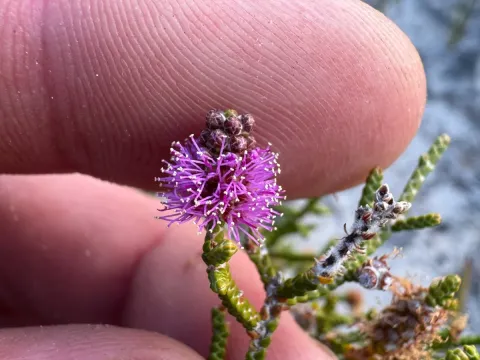
Calothamnus
Calothamnus
Propagation of Calothamnus is typically conducted through seeds or cuttings in controlled nursery environments. Seeds are known for their hardiness and often require specific stratification techniques to break dormancy.
What the section contains
Calothamnus
Sowing should be performed in a sandy, well-draining medium that replicates the natural Australian soil conditions. Springtime provides the ideal temperatures for germination under greenhouse conditions.
Vegetative propagation using semi-hardwood cuttings is the preferred method for commercial cultivation to ensure consistency. Cuttings should be taken in late summer when the wood is mature.
The cuttings are placed in a porous rooting substrate, such as a mix of peat and perlite. Maintaining consistent humidity while ensuring good airflow is essential to prevent rot during the development of the root system.
Once rooting is established, the young plants require a gradual acclimation period before being potted into larger containers or moved to their permanent landscape locations.
Calothamnus belongs to the Myrtaceae family and is native to diverse Australian landscapes. The species thrives in full sun, which is necessary for its characteristic flower production and dense growth.
Soil requirements are relatively specific: the plant demands excellent drainage and prefers low-nutrient, acidic to neutral soils. Excessive fertilization, especially with phosphorus, can be detrimental to the plant's health.
Watering management is crucial; the substrate must dry out significantly between watering sessions. Calothamnus has evolved drought-tolerant features, making it susceptible to root rot if soil moisture is too high.
Temperature regulation is vital for the survival of the culture. As a frost-sensitive plant, it requires protection during winter in temperate zones, often necessitating indoor placement or greenhouse cultivation.
Regular pruning is an essential part of the agricultural management of this shrub. Pruning after the flowering season keeps the plant compact and encourages new growth for the next cycle.
Root rot, primarily caused by Phytophthora species and overwatering, represents the most significant threat to the survival of Calothamnus plants in both nursery and garden settings.
Pests such as scale insects and mealybugs frequently infest the stems and leaves, extracting sap and weakening the plant. Integrated pest management, including the use of systemic insecticides, is recommended.
Spider mites can become a problematic issue when the plant is kept in dry, indoor environments during winter. Increasing airflow and occasional foliage misting can act as deterrents.
Fungal leaf spot diseases may develop if the plant is subjected to stagnant air conditions. Proper spacing and thinning of the canopy help maintain adequate ventilation, reducing the risk of infection.
To ensure long-term health, growers must perform routine sanitary inspections to identify early signs of stress or pest infestation, allowing for prompt intervention and treatment.