
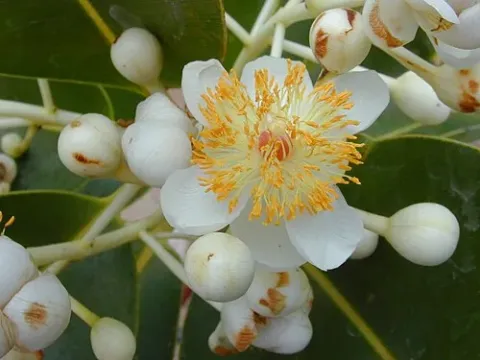
Calophyllum venulosum
Calophyllum venulosum
Calophyllum venulosum is a distinct tree species belonging to the Clusiaceae family. It is native to tropical habitats, primarily found in dense, humid forests across Southeast Asia and parts of the Pacific region.
What the section contains
Calophyllum venulosum
The plant thrives in regions characterized by high rainfall and consistent tropical temperatures. It requires well-draining, nutrient-rich soils that provide stability for its extensive root system throughout its lifecycle.
Agronomical management involves careful site selection to avoid areas with poor drainage, which can lead to root rot. High humidity levels are crucial to maintain the optimal metabolic rate of the tree during its rapid growth phases.
Regarding agrotechnology, the species is typically propagated via seeds in controlled nursery settings before being transplanted. Maintaining soil fertility through organic amendments is often recommended in plantation forestry.
The timber obtained from this species is highly valued for its durability, making it a sustainable resource for high-end furniture manufacturing and specialized construction projects.
Pathogenic fungi represent a primary threat, especially in sites where drainage is inadequate. These infections can severely impact the vascular system of the tree, potentially leading to significant growth stagnation.
Wood-boring insects are the most problematic pests, causing structural damage to the trunk that reduces the quality and marketability of the harvested timber. Regular monitoring is essential to detect early signs of infestation.
Weed competition during the initial stages of establishment can significantly stunt the growth of young saplings. Proper weed control and mulching practices are necessary to ensure the tree reaches its full potential.
Weakened trees are more susceptible to secondary pest attacks, often exacerbated by environmental stressors like drought or nutrient deficiency. Maintaining soil health is a key defensive strategy.
Sustainable plantation management requires strict adherence to planting density guidelines to ensure adequate light and air circulation, which helps naturally inhibit the spread of common forest diseases.