
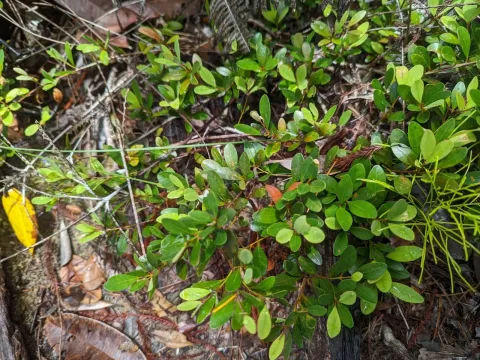
Calophyllum teysmannii
Calophyllum teysmannii
Calophyllum teysmannii is a prominent species within the Clusiaceae family, indigenous to the tropical regions of Southeast Asia. This evergreen tree is naturally found in swampy habitats, lowland peat forests, and riverine environments where high moisture levels persist year-round.
What the section contains
Calophyllum teysmannii
The plant thrives in equatorial climates characterized by high temperatures and significant humidity. It lacks cold hardiness and requires a frost-free environment to maintain its growth cycles, making it unsuitable for cultivation outside of tropical zones.
Soil requirements for this species are specific, preferring nutrient-rich substrates with a slightly acidic profile. While it exhibits a remarkable tolerance for waterlogged soils, the quality of the timber is superior when grown in well-draining, humus-rich alluvial soils.
Botanically, the tree is distinguished by its tough, leathery leaves and a robust, straight trunk. The structure of the wood is dense, making it highly valued in local markets for construction purposes and the production of durable furniture or flooring.
Beyond its timber value, the tree possesses significant ecological importance in its native range. It contributes to carbon sequestration in peatland areas and provides critical nesting sites for various tropical bird species and insects.
Pathogenic fungi represent the most significant threat to Calophyllum teysmannii, particularly in stagnant water environments where root rot can develop rapidly. Proper management of the water table is essential to prevent these fungal outbreaks.
Insect pests, specifically stem borers and leaf-eating beetles, pose a constant threat to plantation health. These pests can significantly reduce tree vigor if left uncontrolled, requiring integrated pest management strategies to protect the forest canopy.