
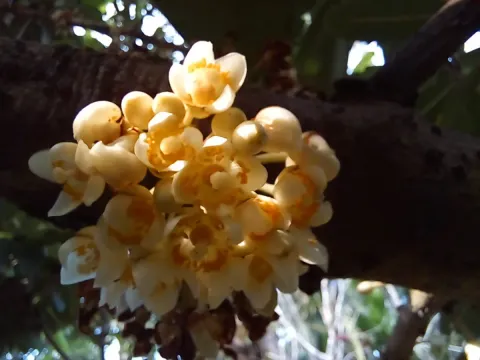
Mammea americana
Mammea surriga
Mammea americana, commonly known as the tropical apricot or Mamey, is a large evergreen tree belonging to the Clusiaceae family. It is prized for its dense, spreading crown and attractive, glossy dark green foliage, which makes it an excellent candidate for tropical orchards and agroforestry.
What the section contains
Mammea americana
Native to the Caribbean and northern South America, this tree thrives in warm, humid tropical climates. It is highly sensitive to frost and cold winds, requiring a frost-free environment throughout the year to maintain its growth and reproductive vigor.
The crop performs best in deep, fertile, and well-drained soils. While it exhibits tolerance to various soil types, including limestone-based soils, it prefers a neutral to slightly acidic pH range for optimal nutrient uptake and root health.
Proper water management is essential for young trees. While mature trees develop a degree of drought tolerance, consistent moisture levels significantly improve fruit quality and yield. Mulching around the base is recommended to retain soil moisture and suppress weeds.
Propagation is typically achieved through seeds, although grafted trees are preferred for commercial cultivation to ensure genetic consistency and faster entry into the productive phase. Regular pruning helps manage tree height and improves access for harvesting.
The fruit of Mammea americana is a large, globose drupe with a thick, russet-brown skin and a sweet, fragrant, orange-yellow flesh. The flavor is often compared to a blend of apricot and raspberry, making it highly valued in local markets.
Trees grown from seeds usually begin bearing fruit within 6 to 10 years, whereas grafted specimens can produce earlier. A mature, healthy tree can yield hundreds of fruits per season, providing a stable and reliable crop for commercial farmers in tropical zones.
Beyond fresh consumption, the fruit is widely used in processed food products such as preserves, jellies, marmalades, and fruit syrups. The high vitamin and antioxidant content adds further appeal for modern health-conscious consumers.
The timber of the Mamey tree is highly valued for its hardness, durability, and resistance to wood-boring insects. It is utilized in cabinetry, furniture construction, and small-scale timber production, serving as a secondary income source.
Research into the bioactive compounds found in various parts of the tree, including the seeds and leaves, continues to explore potential applications in natural pesticide development and pharmacological uses.
Mammea americana is generally considered a robust species; however, commercial orchards must monitor for specific pests and diseases to ensure maximum productivity and fruit quality.
Scale insects and mealybugs are among the most common pests, targeting the foliage and tender stems. Control strategies usually involve horticultural oils or systemic insecticides, depending on the severity of the infestation.
Root rot, often caused by waterlogging, represents a major threat in poorly drained areas. Ensuring proper slope and drainage in the orchard is the most effective preventative measure against fungal soil-borne diseases.
Fruit-infesting flies can significantly impact harvest quality. To protect the fruit, farmers may use exclusion bags or Integrated Pest Management (IPM) techniques, including pheromone traps to disrupt the breeding cycle of pests.
Anthracnose can affect leaves and ripening fruit during periods of excessive rainfall. To mitigate this risk, canopy management is vital, as improving airflow reduces the humidity that triggers fungal spore germination.