
Mammea siamensis
Mammea siamensis
Description
Growing requirements
Mammea siamensis, a member of the Clusiaceae family, is an evergreen tree native to the tropical regions of Southeast Asia, including countries like Thailand and Cambodia.
The tree thrives in a tropical climate characterized by high humidity and consistent rainfall throughout the year, being sensitive to prolonged drought periods.
Ideally, this species requires deep, fertile, and well-draining soil to ensure the healthy development of its root system and prevent physiological stress.
Full sun exposure is preferred for optimal growth and flowering; however, young plants benefit from partial shade during their establishment phase in the nursery or plantation.
The biological cycle of the tree involves a long maturation period, making it a permanent component of agroforestry systems in its native distribution areas.
Yield
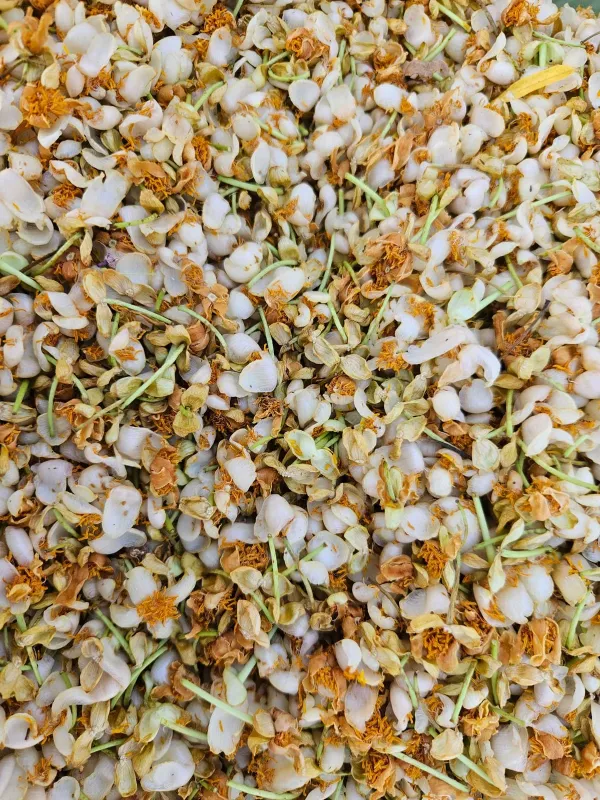
The primary economic value of Mammea siamensis lies in its aromatic flowers, which are harvested to extract essential oils used in high-end perfume and cosmetic industries.
The wood of this tree is recognized for its durability and structural strength, finding utility in local carpentry and traditional construction works.
While the fruits are edible, their market demand is relatively low compared to other commercial tropical fruits, though they remain a part of local dietary traditions.
Harvesting is labor-intensive as it involves manual collection of the delicate flower buds at the peak of their aromatic concentration during the flowering season.
Sustainable production practices emphasize the maintenance of mature trees to ensure consistent flower yields over multiple decades of the plant's life cycle.
Main diseases and pests
Root rot and fungal infections remain the most significant threats to Mammea siamensis, particularly in poorly drained soils or areas with excessive stagnant water.
Pest pressures often include scale insects and various mite species that thrive in the dense foliage, potentially causing damage to young leaves and stems.
Integrated pest management strategies are recommended to mitigate damage while ensuring that the chemical residue on flowers remains within safe limits for essential oil extraction.
Regular monitoring for pest outbreaks and prompt removal of infected plant tissues are critical agronomic practices for maintaining a healthy and productive orchard.
Poor aeration in dense plantings can also promote the growth of epiphytic plants and mosses on the bark, which may weaken the tree if not managed correctly.