
Calophyllum tetrapterum
Calophyllum tetrapterum
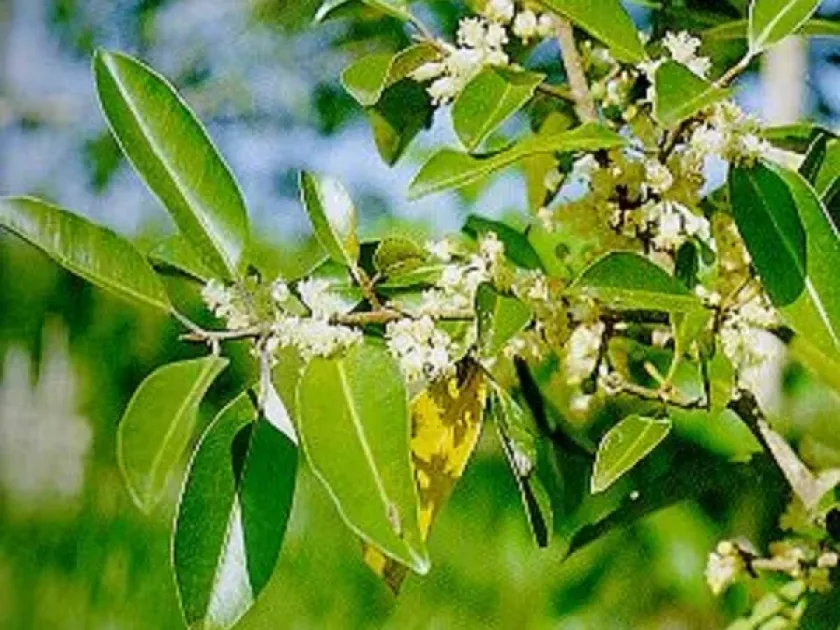
Description
Growing requirements
Calophyllum tetrapterum is a representative of the Clusiaceae family, primarily native to the humid tropical forests of Borneo and Southeast Asia. As a woody perennial, it plays a significant role in the forest ecosystem of these regions.
The species requires a climate characterized by high year-round temperatures and consistent rainfall. It thrives in humid conditions and lacks the physiological mechanisms to survive prolonged droughts or cold snaps, limiting its cultivation to tropical zones.
Soil requirements for optimal development include deep, well-drained, and nutrient-rich substrates. It performs best on loam or alluvial soils, where root penetration is deep and consistent moisture levels are maintained throughout the growing season.
Botanically, it is identified by its sturdy structure and distinctive four-winged fruit segments. The tree features thick, glossy leaves and a dense, evergreen canopy that provides effective shade and contributes to soil retention in its natural habitat.
From an agricultural and forestry perspective, the species is valued for its hard and durable timber. Its wood is highly resistant to natural decay, making it suitable for construction and traditional artisanal crafts within its native range.
Main diseases and pests
The primary biotic threats to this species include wood-boring beetles and various lepidopteran larvae that target the foliage of younger trees, leading to defoliation and growth stagnation.
Fungal pathogens associated with high humidity, such as leaf blight and root rot, are significant risks, especially in plantation settings where airflow may be restricted due to high tree density.
Competition from aggressive vine species and epiphytic plants can overwhelm young saplings, limiting their access to sunlight and structural integrity as they develop.
Soil-borne pathogens may cause significant damage if drainage systems fail, leading to hypoxic conditions in the root zone which trigger rapid plant decline.
Proactive management includes periodic thinning of the canopy to improve light penetration, clearing invasive creepers, and monitoring the trunk for early signs of insect activity.