
Calophyllum soulattri
Calophyllum soulattri
Description
Growing requirements
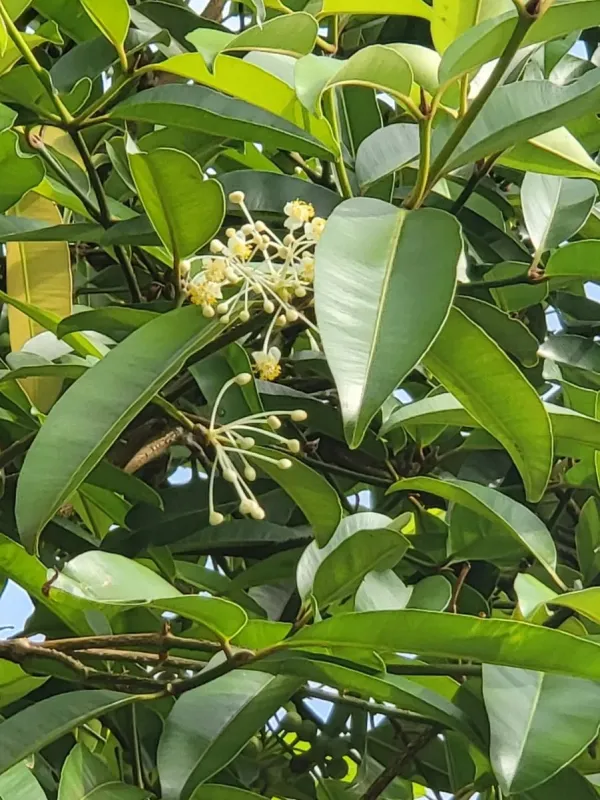
Calophyllum soulattri is a prominent evergreen tree belonging to the Clusiaceae family. Known for its robust growth and high-quality timber, it is a significant species in tropical forestry, particularly valued for its straight, cylindrical trunk and dense canopy.
The species thrives in humid tropical environments. It requires a consistent climate with high temperatures and ample precipitation throughout the year to maintain its optimal growth rate and metabolic functions.
Soil requirements are relatively specific; the tree performs best in deep, fertile, and well-drained soils. Poorly drained sites or areas prone to waterlogging must be avoided, as the root system is highly susceptible to suffocation and decay in saturated conditions.
In silvicultural practices, juvenile Calophyllum soulattri plants require protection from direct, intense sunlight and harsh winds. Providing partial shade during the first few years of growth helps simulate its natural forest habitat and ensures healthy development.
Cultural management involves regular thinning of stands to ensure proper light penetration and airflow. Clearing weeds and competitive ground vegetation from the area around the base of the trees is essential to ensure that nutrients and water remain available to the crop.
Yield
The primary economic output of Calophyllum soulattri is its durable, reddish-brown timber. This wood is highly prized for its strength and fine texture, making it an excellent material for high-end furniture, joinery, and heavy-duty structural construction.
Beyond timber, the tree produces seeds that are harvested for their oil content. This oil has been traditionally utilized for various local applications, ranging from medicinal uses to illumination, contributing to the overall utility of the plantation.
Achieving high yields requires disciplined plantation management. Proper spacing between trees is crucial to promote vertical growth and reduce the development of large, low-hanging branches, thereby improving the quality and value of the harvested logs.
The production cycle for timber is long-term, typically spanning several decades. Effective forest management planning is required to ensure that harvesting schedules are met while maintaining the ecological health and productivity of the land.
Sustainability is a core component of cultivating this species. As an evergreen, it contributes significantly to soil stabilization and the cycling of organic matter, which benefits the overall soil health of the forest agroecosystem.
Main diseases and pests
The health of Calophyllum soulattri stands is primarily threatened by fungal infections, particularly those that target the root systems in damp, poorly drained soils. Rigorous site selection and soil preparation are the best strategies for preventing such outbreaks.
Insect pests, such as wood-boring beetles and defoliators, represent a constant threat to plantation health. Regular monitoring of the trees, including checking for larval entry holes in the bark, is necessary to mitigate damage through early intervention.
Young plantations are vulnerable to browsing by small mammals and rodents, which can strip bark and kill the trees. Implementing mechanical guards or protective mesh around the lower stems is a common and highly effective agronomic practice.
Drought stress can render trees more susceptible to secondary pathogens. Maintaining optimal soil moisture through methods like mulching can help the trees stay resilient against diseases even during drier seasonal periods.
- Removing and sanitizing infected plant debris to stop disease spread.
- Using certified, healthy saplings for plantation establishment.
- Implementing rotational thinning to keep the stand density balanced and healthy.