
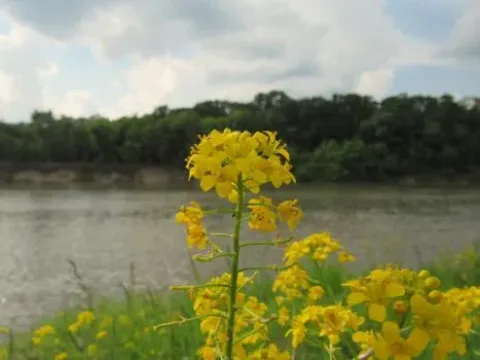
Kerner's yellowcress
Rorippa kerneri
Kerner's yellowcress (Rorippa kerneri) is a herbaceous perennial plant belonging to the Brassicaceae family. In agricultural contexts, it is recognized for its adaptation to riparian zones, wetlands, and moist meadow areas where it often displays significant vigor.
What the section contains
Kerner's yellowcress
The plant thrives in soil conditions characterized by high moisture content and nutrient availability. Its robust root system allows it to compete effectively in heavy, saturated soils where oxygen availability might be low, a trait that sets it apart from many other field-dwelling species.
Light requirements for this species are relatively high, as it performs best in open environments. While it can persist in shaded conditions, its growth rate and biomass production are significantly optimized when exposure to direct sunlight is consistent throughout the growing season.
Soil chemistry preferences lean towards neutral to slightly alkaline pH levels. While it shows some tolerance for slight variations, extreme soil acidity can severely inhibit its vegetative propagation and early development stages, which is a critical observation for land management.
Regarding climate, Kerner's yellowcress is well-adapted to temperate regions, showcasing cold-hardy traits that allow the rootstock to survive sub-zero temperatures during dormancy. This durability ensures rapid regrowth as soon as soil temperatures rise in the early spring.
As a member of the cruciferous family, this plant acts as a host for several common agricultural pests, most notably the flea beetle. These insects can cause extensive damage to the leaf tissue during the primary stages of growth, affecting the overall physiological integrity.
Various aphids and larvae of specific lepidopteran species may also colonize the plant, utilizing its tissues as a primary food source. This can lead to local infestations that potentially spread to adjacent crops if left unmanaged.
Fungal threats include clubroot, a soil-borne pathogen that targets the vascular and root tissues of the plant, leading to the development of galls and overall stunting. This is particularly prevalent in areas where soil drainage is not adequately maintained.
White rust and downy mildew are also significant considerations, especially during seasons with prolonged wet and humid weather. These conditions promote the rapid spread of spores, causing necrotic lesions on the leaves that eventually lead to premature senescence.
Effective management strategies require maintaining optimal soil structure and employing integrated pest management techniques. Strategic use of crop rotation helps in breaking the pest life cycles, thereby minimizing the incidence of both insects and fungal pathogens in the field.