
Kernera
Kernera
Kernera is a genus of perennial herbaceous plants belonging to the Brassicaceae family. The most representative species, Kernera saxatilis, originates from the mountainous regions of Europe. It is naturally adapted to thriving in harsh conditions, typically found on limestone crevices, rocky ledges, and alpine slopes where few other plants can establish roots.
What the section contains

Kernera
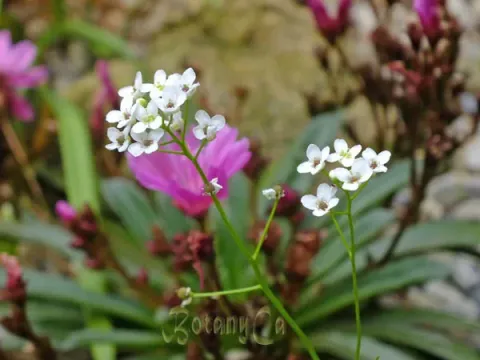
Botanically, the plant features a basal rosette of lanceolate leaves and develops thin, upright stems that grow to a height of 10 to 25 cm. The flowers are small, four-petaled, and white, characteristic of the mustard family. These flowers appear in racemes, creating a delicate, airy appearance during the peak of the blooming season.
Successful cultivation of Kernera requires soil conditions that mimic its native rocky habitat. Excellent drainage is non-negotiable; heavy, water-retentive soils will inevitably lead to root rot. The ideal planting substrate is a gritty, sandy, or rocky mix with a neutral to slightly alkaline pH level, which ensures optimal root respiration.
The plant is highly resilient to temperature fluctuations, making it an excellent candidate for colder climates. It requires full sun exposure to maintain its compact habit and encourage heavy flowering. While it is tough and drought-tolerant once established, young plants require consistent, light irrigation during their first growing season to develop a robust root structure.
In terms of practical use, Kernera is primarily valued in ornamental horticulture. It is a staple for rock gardens, trough plantings, and alpine beds. Its ability to colonize crevices makes it a unique choice for vertical landscaping or stone walls. While not a commercial crop, it remains a favorite among alpine gardening enthusiasts for its reliability and understated beauty.
The primary threats to Kernera involve moisture-related diseases, such as fungal root rots and mildew. These occur predominantly in poorly drained soils or areas with poor air circulation. To prevent these issues, it is essential to ensure that the crown of the plant stays dry and that the surrounding area is free of excessive mulch that could trap moisture.