
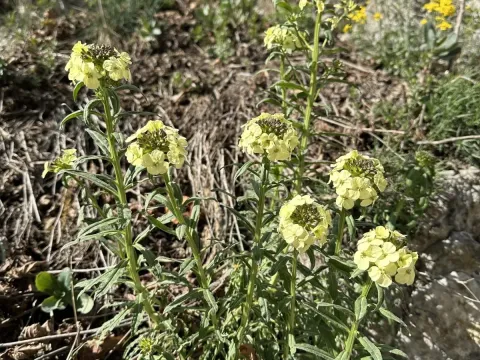
Erysimum witmannii
Erysimum witmannii
Sowing of Erysimum witmannii is typically scheduled for early spring as soon as the soil warms up to 5-8 degrees Celsius. Small seeds require meticulous preparation of the seedbed, which must be level and well-compacted to ensure optimal seed-to-soil contact.
What the section contains
Erysimum witmannii
The optimal planting depth for the seeds is no more than 1-2 centimeters due to their small size. With adequate moisture, the first shoots appear within 10-14 days after sowing, allowing the crop to quickly establish itself in the field.
For row planting, it is recommended to maintain row spacing of approximately 30-45 centimeters. This ensures sufficient light penetration and aeration of the plants, which reduces the likelihood of fungal infection development in dense crop stands.
To improve germination, seeds are often subjected to stratification before sowing if they have been stored under dry conditions. The use of high-quality planting material is a prerequisite for uniform emergence and consistent development throughout the growing season.
The crop belongs to the Brassicaceae family, so during crop rotation, fields where other cruciferous plants were previously grown should be avoided. This helps prevent the accumulation of host-specific soil-borne pathogens.
Erysimum witmannii is a light-loving plant that prefers well-lit areas without shading from other crops. Intense illumination is critically important for the development of high concentrations of biologically active compounds within the plant's aerial parts.
The crop has moderate soil requirements, growing best in loose, well-drained loams or sandy soils. It does not tolerate waterlogging, so areas with high groundwater levels are unsuitable for its cultivation.
The plant has moderate winter hardiness and can withstand temperature fluctuations typical of temperate climates. The optimal temperature for active vegetative growth ranges from +15 to +22 degrees Celsius.
During the early stem elongation phase, the plant requires sufficient moisture, but excessive water during flowering and seed maturation can negatively impact the quality of the harvested raw material. Moderation in irrigation is a key requirement for successful cultivation.
The soil should have a neutral or slightly alkaline reaction. In acidic soils, plant growth slows down significantly, requiring liming before fertilization to optimize the nutrient environment for the crop.
The yield of Erysimum witmannii green mass depends on adherence to agronomic practices and soil fertility. On average, with intensive care, a stable volume of raw material can be obtained for pharmaceutical requirements.
The maximum output of active compounds is observed when the plants are harvested during the peak flowering stage. This is the period when the plant reaches its peak biological activity, determining its ultimate value as a medicinal resource.
The economic use of Erysimum is primarily related to its application in official and traditional medicine. The plant contains cardiac glycosides, making it a valuable raw material for the production of cardiovascular medications.
Beyond medicine, Erysimum witmannii is valued as a good honey plant, attracting pollinators to the fields. This contributes to increased biodiversity within the agro-ecosystem and can indirectly enhance the yield of neighboring crops.
With proper care, the crop demonstrates high regenerative capacity. If mowed during the growing season, the plant is capable of forming secondary shoots, allowing for secondary harvesting under favorable weather conditions.
The most common diseases are fungal infections such as downy mildew and clubroot of crucifers. The development of these infections is favored by soil waterlogging and the absence of adequate drainage on the plot.
Among pests, crucifer flea beetles pose the greatest danger, as they can damage young seedlings early in the growing season. To control pest populations, it is recommended to use agronomic control methods, including timely mechanical weeding.
Crops may also be subject to aphid infestations, which extract sap from young leaves and flower heads. This not only weakens the plant but also facilitates the transmission of viral diseases, reducing the quality of the raw material.
Weed management is a critically important stage, especially during the first few weeks after emergence. Erysimum witmannii is sensitive to competition from aggressive weeds, requiring periodic weeding between the rows.
To reduce the risks of pest damage, it is recommended to maintain spatial isolation from other cruciferous crops. This creates a barrier for the migration of harmful insects and lowers the overall phytosanitary burden on the fields.
Medicinal raw material is harvested at the beginning of the flowering period, when the plant contains the maximum concentration of active components. The use of specialized machinery allows for the mechanization of the cutting process.
After cutting, the raw material must be sent for drying immediately. Proper drying at a controlled temperature between 40 and 50 degrees Celsius prevents the degradation of glycosides and ensures long-term storage viability.
For seed collection, harvesting is carried out at the full maturity stage, when the pods acquire a characteristic straw-yellow color. It is important to prevent pod shattering to avoid crop losses during mechanized threshing.
Cleaning the harvested material from foreign impurities is a mandatory step in post-harvest processing. The use of winnowing and sorting machines allows for a high-quality product that meets pharmacopeial standards.
The finished product should be stored in dry, dark, and well-ventilated rooms, protected from moisture and pests. Proper storage conditions allow for the preservation of Erysimum's medicinal properties for one to two years.