
Erysimum quadrangulum
Erysimum quadrangulum
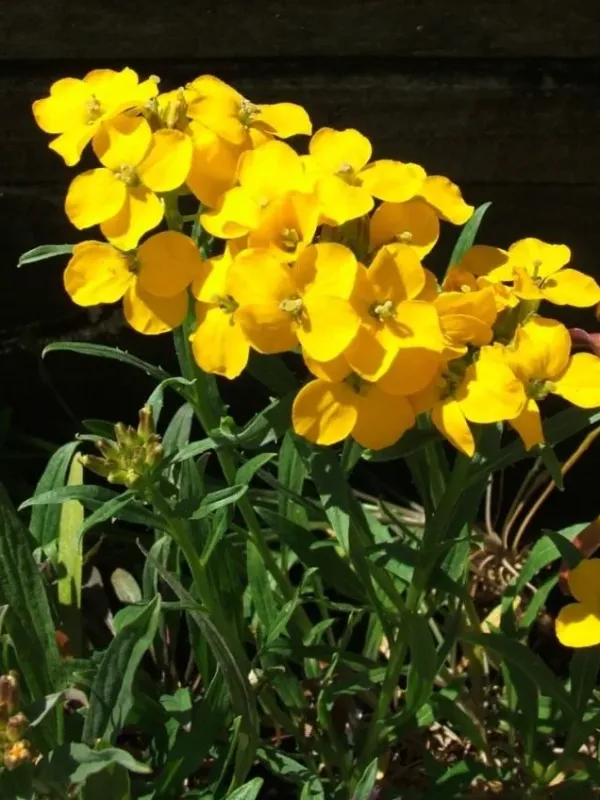
Description
Sowing dates
Erysimum quadrangulum is a perennial or biennial herb belonging to the Brassicaceae family. It is typically sown in autumn or early spring when the soil temperature reaches approximately 5–8 degrees Celsius.
Cold stratification is beneficial for germination; therefore, autumn sowing is highly recommended for obtaining uniform and vigorous seedlings across the field.
The seeds should be planted at a shallow depth of 1–1.5 centimeters to ensure adequate access to oxygen and light, which are critical for early developmental stages.
The optimal planting pattern involves maintaining row spacing of 30–45 centimeters. This distance is sufficient to facilitate mechanical weeding and ensure optimal plant density per hectare.
Proper seedbed preparation, including leveling and firming the soil surface, significantly increases the percentage of seedling emergence and plant survival in the first season.
Growing requirements
This crop is highly light-demanding and requires sunny locations to ensure proper development of its secondary metabolites, which are vital for its pharmaceutical value.
Soil quality should be well-drained, as excessive moisture often leads to root rot. Sandy loam or light clay soils with neutral or slightly alkaline pH levels are ideal for growth.
The plant demonstrates significant resilience to various climatic conditions, including moderate drought, making it suitable for regions with variable rainfall patterns.
The ideal temperature for active growth ranges between 18 and 25 degrees Celsius. In regions with higher temperatures, additional soil cultivation is necessary to maintain moisture balance.
Fertilizer application should focus on phosphorus and potassium to strengthen plant tissue. Excess nitrogen should be avoided as it may decrease the concentration of active medicinal components.
Yield
The yield of Erysimum quadrangulum is measured by the total weight of dry biomass collected from the field. Productivity peaks in the second year of cultivation.
Farmers can achieve yields of 10–15 centners per hectare of dry raw material when adhering to recommended agricultural practices and ensuring timely weeding.
Harvest timing is critical; yield components, specifically cardiac glycosides, are at their maximum during the beginning of the full flowering phase of the plant.
Effective pest control and weed management are essential to maximize biomass production, as weeds compete for essential water and soil nutrients.
Storage of the harvested biomass must be conducted in dry, well-ventilated conditions to prevent degradation of the active chemical ingredients after the drying process.
Main diseases and pests
Common agricultural pests include crucifer flea beetles, which can cause significant damage to young shoots if not monitored closely in the early spring.
Fungal diseases such as downy mildew are potential threats, especially in humid conditions with poor air circulation within the plant canopy.
Root rot is typically associated with poor drainage or excessive irrigation on heavy soils. Maintaining proper soil structure is the best preventative strategy.
Integrated pest management (IPM) techniques, including crop rotation and the use of biological control agents, are preferred over synthetic pesticides to maintain crop purity.
- Crucifer flea beetle.
- Downy mildew.
- Root rot.
- Aphids.
Harvesting
The harvest should take place at the onset of mass flowering to capture the plant at its peak pharmaceutical potency and nutritional value.
Mechanical mowing is the standard method of harvest, with the cutters set at a height of 5–10 centimeters above the ground to ensure plant health and potential regrowth.
Immediate transportation of the fresh biomass to the drying facility is essential to avoid the risk of fermentation and the loss of sensitive glycosides.
Drying is performed in climate-controlled units at temperatures between 40 and 50 degrees Celsius, which is sufficient to dry the material without damaging the active compounds.
Once dried, the raw material is typically baled or packaged for efficient logistics and long-term storage prior to delivery to pharmaceutical processing plants.