
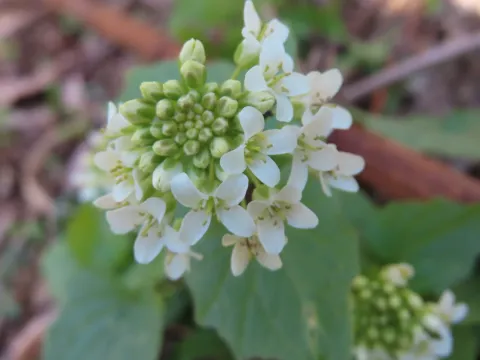
Eutrema
Eutrema
Sowing Eutrema, widely known as the genus containing Wasabi, requires high precision due to the plant's delicate nature. Seeds are typically sown in a highly regulated substrate at temperatures between 10 and 15 degrees Celsius.
What the section contains


Eutrema
Stratification of seeds is a critical preliminary step to break dormancy and ensure a uniform germination rate. Without this process, the emergence of seedlings can be significantly delayed and uneven.
The optimal time for sowing is during the early spring months when light levels increase, providing the necessary energy for the seedlings to establish a robust root system.
Moisture control is paramount; the substrate must remain consistently damp without becoming waterlogged, as excess water can cause the seeds to rot before they sprout.
Once seedlings emerge, they are often transplanted to specialized greenhouse environments or hydroponic systems where light and temperature can be meticulously managed to encourage vigorous growth.
Eutrema belongs to the Brassicaceae family and thrives in cool, humid environments. It is naturally adapted to mountain stream banks, preferring temperatures that rarely exceed 18-20 degrees Celsius.
Water quality is a non-negotiable factor. Eutrema is highly sensitive to chlorine, high salt concentrations, and heavy metals, requiring filtered or spring-quality water for irrigation.
The soil or growing medium must be porous and rich in organic matter to facilitate both nutrient uptake and essential oxygenation of the roots. Constant flow of fresh, oxygenated water is often the secret to high-quality production.
Shade management is crucial for the plant’s health. Direct, intense sunlight can lead to leaf scorching and a significant decrease in the concentration of the pungent essential oils that give the plant its commercial value.
Consistent airflow and a stable, humid environment help prevent the development of physiological disorders, ensuring the plant allocates its resources toward developing thick, healthy rhizomes.
The yield of Eutrema is the result of a long and demanding growth cycle, typically lasting from 15 to 18 months before the rhizomes reach market maturity.
In professional settings, yields are calculated based on the weight of harvested rhizomes, usually ranging from 2 to 5 kilograms per square meter of cultivation space depending on the method.
Productivity is strictly tied to environmental stability. Even minor fluctuations in temperature or water availability can lead to stunted growth and reduced flavor profiles in the harvested product.
Marketable yields require high-density tissue in the rhizomes. Agronomists monitor the plants throughout the cycle to ensure that the energy is directed towards the rhizome rather than excessive leaf development.
Due to the complexity of the growing process, Eutrema remains a premium crop with a high economic return for growers who can successfully master its specific environmental requirements.
Pathogenic threats are a significant concern, with bacterial soft rot (Erwinia carotovora) being the most destructive issue for Eutrema crops kept in high-humidity conditions.
Pests such as slugs, snails, and aphids frequently target the lush green foliage. These pests can rapidly decrease the photosynthetic area, weakening the plant's overall vitality.
Sanitation of the growing environment is the primary defense strategy. Using sterile equipment and high-quality substrates helps mitigate the risk of soil-borne pathogens infecting the crops.
Integrated Pest Management (IPM) is highly recommended to protect the crop without relying on heavy chemical treatments, which could contaminate the edible rhizomes.
- Daily inspection for early signs of decay
- Maintenance of clean water supply lines
- Implementation of biological control agents
- Physical barriers for slugs and snails
Harvesting Eutrema is a delicate, labor-intensive process that is almost exclusively performed by hand. Mechanical harvesting is generally avoided due to the high risk of damaging the brittle rhizomes.
The decision to harvest is based on the plant's visual markers, such as the size of the exposed rhizome and the color of the leaves, ensuring the plant has reached peak maturity.
Post-harvest, the rhizomes are cleaned with cool water and sorted by weight and quality. Any damaged or decayed portions must be removed immediately to prevent cross-contamination.
Cold chain management begins immediately after harvest. The rhizomes are sensitive to oxidation, so they must be stored at near-zero temperatures to preserve their fresh, pungent characteristics.
Properly packed and refrigerated, the product is then distributed to culinary markets, where its freshness is the primary determinant of its value to professional chefs.