
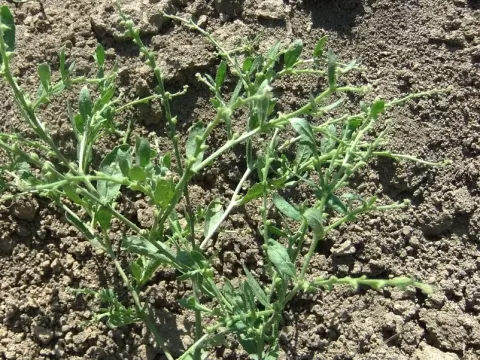
Euclidium
Euclidium
Euclidium syriacum is an annual weed that exhibits a rapid growth cycle during the early spring months. It is known to germinate quickly when soil temperatures begin to rise, establishing itself before many crop species have fully emerged.
What the section contains
Euclidium
The seeds of this plant possess high viability and can remain dormant in the soil for several years. This ability to form a persistent seed bank creates significant challenges for weed control programs in arable fields.
Agricultural practices such as early-season cultivation are critical in managing this plant. By disrupting the soil surface just before crop emergence, farmers can effectively eliminate the first cohort of seedlings.
Developmental timing is highly responsive to temperature, leading to a synchronous emergence pattern in many regions. This synchronization provides a narrow window for effective herbicide application or mechanical weeding.
Proper tillage timing is essential to ensure that the plant does not reach the flowering stage. If allowed to mature, the plant can produce large quantities of seeds that contaminate the grain harvest.
As a member of the Brassicaceae family, Euclidium syriacum is highly adaptable to various environmental conditions. It thrives in open, disturbed areas including agricultural fields, roadsides, and abandoned lands.
The plant demonstrates significant tolerance to drought, utilizing its root system to capture moisture from deeper soil layers. This characteristic allows it to persist even in arid environments where crop yields might be limited.
Light availability is a primary factor for its development; thus, it is more prevalent in fields with lower plant densities. In well-established, dense crop canopies, the growth of this weed is generally suppressed.
Soil type is less of a limiting factor for this species than environmental exposure. It can grow in a variety of substrates, though it reaches maximum size and reproductive potential in fertile soils with moderate moisture.
Strategic crop rotation is the most recommended agrotechnical approach to reduce the pressure of this weed. Integrating competitive crops and alternating seasonal planting times can disrupt the weed's life cycle.
Euclidium syriacum poses a threat to agricultural productivity by competing directly with cultivated plants for essential nutrients and space. High infestations can lead to substantial reductions in crop yield and quality.
The plant serves as an alternative host for various pests and pathogens that affect brassica crops. Insects such as flea beetles often utilize this weed to sustain their populations before moving into fields of canola or mustard.
Diseases like clubroot and other fungal infections can be harbored by these plants, contributing to the spread of inoculants across the field. This increases the overall disease pressure on the main crop.
Chemical control involving selective herbicides is a standard practice in commercial farming. These treatments must be applied at the correct growth stage to ensure maximum efficacy and minimize chemical usage.
- Implement early mechanical harrowing to suppress emergence.
- Use certified clean seed to prevent the introduction of new seeds.
- Monitor field edges for early-season weed infestations.
- Apply targeted herbicide treatments before the plant flowers.
- Maintain balanced soil nutrition to support healthy crop growth against weeds.