
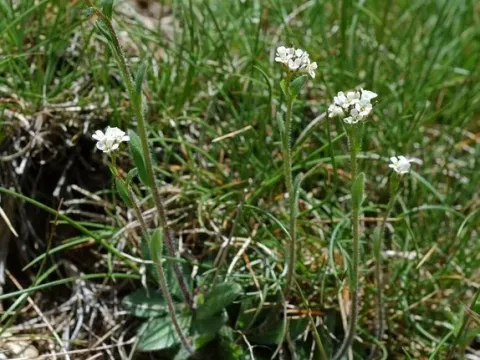
Arabis allionii
Arabis allionii
The propagation of Arabis allionii is typically carried out by sowing seeds in early spring when the soil temperature rises above 10 degrees Celsius. Seedlings should be started in trays under controlled conditions.
What the section contains
Arabis allionii
When sowing directly into the garden, seeds should be scattered on the soil surface and only lightly covered with sand or fine compost. Maintaining steady moisture levels during the germination phase is critical for success.
Seeds require a temperature range of 18–20 degrees Celsius to germinate effectively. Once the seedlings develop their first true leaves, they should be moved to a cooler environment to encourage strong root growth.
Transplanting into the permanent garden location should occur once the danger of spring frost has passed. Planting density should allow for at least 25–30 centimeters of spacing between individual plants.
In addition to seeds, the plant can be propagated via stem cuttings or division after the flowering season, which is a preferred method for maintaining genetic uniformity and vigor.
Arabis allionii belongs to the Brassicaceae family and originates from the mountainous regions of Southern Europe, specifically adapted to rocky and well-drained environments.
The plant demands full sunlight to maintain its characteristic low-growing, mat-forming habit. In shaded areas, the plant tends to become leggy and produces fewer flowers, significantly reducing its aesthetic value.
Soil requirements focus primarily on drainage. The species thrives in sandy, stony, or rocky soils with neutral to slightly alkaline pH levels. Heavy soils should be amended with grit or perlite.
This species is highly cold-hardy, capable of surviving harsh winters in temperate zones without special protection. It is well-suited for rock gardens, stone walls, and alpine-style landscaping.
Watering should be managed carefully. While established plants are somewhat drought-tolerant, they must not be allowed to sit in waterlogged soil, which quickly leads to root decay and plant death.
Fungal diseases are the most common issue for Arabis allionii, particularly root rots triggered by high humidity or poor drainage. Proper spacing is the best preventative measure against these pathogens.
Powdery mildew may occur if air circulation is insufficient. If infections appear, prompt treatment with systemic fungicides is necessary to prevent the disease from spreading throughout the planting area.
Flea beetles are the most frequent insect pests, often attacking leaves during the early vegetative stage. Effective control involves the use of specialized insecticides or natural deterrents like ash.
Leaf-eating caterpillars can occasionally defoliate the plants. Regular inspection of the foliage allows for early identification and manual removal of pests before they cause significant damage.
Maintenance practices, such as removing spent flower spikes and clearing dead foliage, help reduce the presence of overwintering fungal spores and ensure the long-term health of the garden patch.