
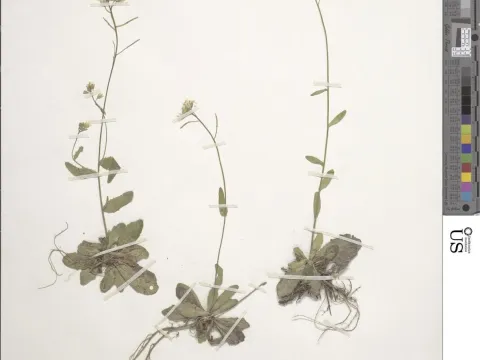
Arabis amplexicaulis
Arabis amplexicaulis
Arabis amplexicaulis belongs to the Brassicaceae family. It is a herbaceous plant distinguished by its stem-clasping leaves, which provide a unique architectural form and contribute to the plant's identification in the field.
What the section contains
Arabis amplexicaulis
The plant thrives in well-drained, fertile soil with a neutral to slightly alkaline reaction. It requires consistent moisture levels during the active growing season but is highly intolerant of waterlogged soil, which can rapidly lead to root decay and fungal issues.
Regarding climatic requirements, this species prefers temperate zones with moderate rainfall. It is hardy enough to survive fluctuating temperatures, provided that the soil is sufficiently aerated to support root metabolism throughout the winter months.
Botanically, the plant develops a basal rosette of leaves followed by elongated flowering stems. The inflorescence structure consists of small, delicate flowers typical of the mustard family, often appearing in clusters that serve as a source of nectar for local pollinators.
Agrotechnical management involves maintaining clean rows and providing periodic fertilization with balanced NPK formulas. Proper spacing is essential to ensure adequate airflow, which is the primary defense against foliage diseases in dense stands.
Fungal diseases such as powdery mildew and downy mildew represent the most significant threat to Arabis amplexicaulis. These conditions often develop when the canopy is too dense or when the environment remains humid for extended periods.
Crucifer flea beetles are the primary insect pests affecting the plant. These beetles feed on leaves, creating numerous small holes that weaken the plant and serve as entry points for secondary bacterial or viral infections.
Integrated pest management strategies should emphasize early detection and the use of physical barriers where possible. Scouting the crop for early symptoms of insect infestation allows for targeted applications rather than widespread chemical use.
Sanitation practices are crucial for long-term health. Removing debris at the end of the season prevents the overwintering of pathogens and insect eggs in the soil, effectively reducing the risk of infestation for the following cycle.
Crop rotation remains the gold standard for disease prevention. By not replanting members of the Brassicaceae family in the same field for successive years, growers can disrupt the life cycles of host-specific pathogens and pests.