
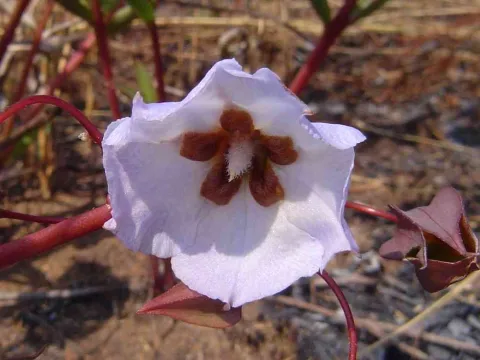
Trichodesma dekindtianum
Trichodesma dekindtianum
Trichodesma dekindtianum is a botanical species belonging to the Boraginaceae family, recognized for its specialized ecological niche. Originating from specific regions of Africa, this plant has adapted to harsh environments where water scarcity and high solar radiation are dominant factors.
What the section contains
Trichodesma dekindtianum
The crop thrives in well-drained, sandy soil profiles that allow for deep root penetration. A neutral to slightly alkaline soil pH is preferred, as it facilitates the efficient uptake of essential nutrients while preventing the toxicity issues sometimes associated with highly acidic substrates.
Climate requirements for this species include high temperature tolerance and a clear preference for arid or semi-arid conditions. It functions as a resilient vegetative cover, capable of maintaining growth when many other species enter dormancy due to water stress.
Management practices for Trichodesma dekindtianum involve minimal soil disturbance to preserve the structural integrity of the root zone. Regular monitoring of water drainage is the most crucial aspect of its cultivation to prevent the occurrence of fungal-related pathologies in the plant tissues.
In terms of agricultural utility, the plant is primarily evaluated for its role as a forage source. Its ability to produce biomass under limited rainfall makes it a valuable asset for pastoral systems that require hardy, drought-tolerant vegetation for livestock grazing.
The primary health threats to this species are fungal pathogens that exploit high soil moisture levels. If the soil remains saturated for extended periods, the roots become susceptible to rotting, which significantly reduces the survival rate of the population and overall biomass yield.
Pest pressures are generally low due to the plant's chemical profile, which acts as a deterrent for many generalist insects. However, specific defoliating beetles can cause localized damage, necessitating careful field surveillance during the early stages of plant development to prevent significant yield losses.