
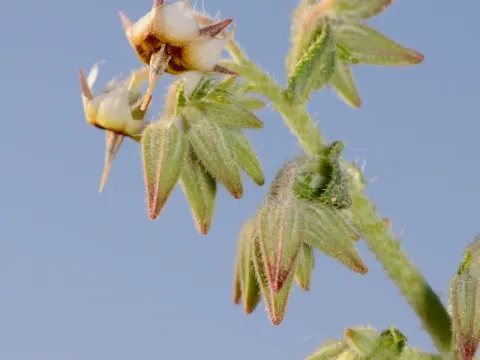
Trichodesma
Trichodesma
Trichodesma is a genus of flowering plants belonging to the Boraginaceae family, comprising both annual and perennial species. Known for their unique physiological traits, these plants are native to tropical and subtropical regions across Africa, Asia, and Australia, where they thrive in arid to semi-arid environments.
What the section contains

Trichodesma
The plant requires well-drained, sandy or loamy soils to prevent root rot, which is a common issue in poorly aerated environments. It thrives in open field conditions where direct sunlight is abundant, as this exposure is critical for the development of its chemical compounds and overall plant vigor.
Climatologically, Trichodesma is highly adaptive to heat and drought. However, it requires a steady, albeit moderate, water supply during the early stages of growth to establish a robust root system. Once mature, it demonstrates significant tolerance to periods of water deficit, making it suitable for lower-rainfall zones.
Soil nutrient management is relatively straightforward, as the plant does not require high levels of nitrogen. Instead, balanced fertilization that includes potassium and phosphorus supports better structural integrity of the stems and optimizes the production of secondary metabolites for medicinal purposes.
Agricultural use of Trichodesma is primarily centered on its pharmacological potential. Careful management is essential, as some species within the genus are known to be toxic to livestock due to the presence of specific alkaloids. Consequently, strict isolation and safety protocols must be followed during production.
The most common threats to Trichodesma crops include fungal pathogens such as powdery mildew and various root rot fungi, especially when soil moisture is poorly managed. Implementing a crop rotation strategy is the most effective way to prevent the buildup of soil-borne pathogens over time.
Insects like aphids and spider mites are frequent pests that colonize the underside of leaves, causing stunted growth and chlorosis. Monitoring for these pests should begin early in the season, particularly during the vegetative phase when the plant is most vulnerable to sap-sucking damage.
Weed control is a critical aspect of Trichodesma management, as the plant is a slow starter. Inter-row cultivation or the use of approved herbicides is necessary to minimize competition for light and nutrients, ensuring the crop remains healthy and productive until canopy closure.
Integrated Pest Management (IPM) is highly recommended for this crop. By encouraging natural predators of aphids and utilizing bio-based pesticides, growers can maintain crop health without compromising the chemical quality of the plant material destined for pharmaceutical processing.
Regular field scouting is essential to identify early outbreaks. If damage thresholds are met, targeted chemical interventions should be applied with caution, ensuring that all safety protocols for medicinal crop production are adhered to strictly to prevent residue issues at harvest time.