
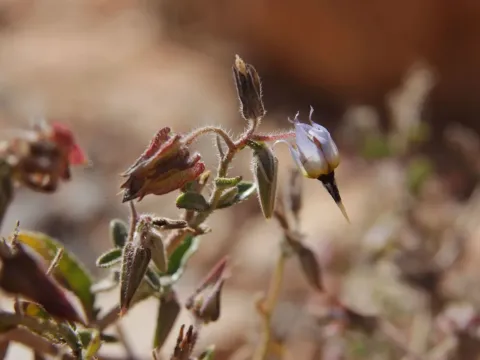
Trichodesma calcaratum
Trichodesma calcaratum
Trichodesma calcaratum is a perennial herbaceous plant belonging to the Boraginaceae family. Sowing is typically performed in the spring once soil temperatures have consistently reached 10–12 degrees Celsius, providing the warmth required for uniform germination.
What the section contains
Trichodesma calcaratum
To ensure high germination rates, seeds should be sown at a depth of 1–2 centimeters in well-prepared soil. Proper seed-to-soil contact and moisture management during the first few weeks are crucial for the establishment of healthy young seedlings.
Wide-row spacing is the standard practice for this crop, typically maintaining intervals of 45–60 centimeters between rows. This spacing allows for adequate airflow and provides enough space for the plant's developing root system.
Early development of the plant can be slow, making initial weed control essential. Utilizing precision drills for sowing ensures accurate placement and density, which facilitates later mechanical maintenance and harvesting.
In regions with harsh winters, early autumn sowing can be a viable strategy, allowing the seeds to undergo natural stratification in the soil, which often improves germination vigor the following spring.
Trichodesma calcaratum thrives in sunny, well-lit environments and requires fertile, well-draining soil to perform at its best. Sandy loam soils are generally preferred as they prevent waterlogging, which the plant is highly sensitive to.
While the plant shows moderate drought tolerance once established, consistent irrigation is necessary during peak growth and flowering phases to maximize biomass production and ensure consistent plant quality.
The optimal pH range for this crop is slightly acidic to neutral. Soil preparation should include clearing debris and organic matter to ensure a clean bed that promotes deep root penetration and nutrient uptake.
Balanced fertilization, particularly the inclusion of phosphorus and potassium, helps the plants withstand environmental stressors. Excessive nitrogen should be avoided as it may lead to lush vegetative growth at the expense of reproductive quality.
Temperature fluctuations are a factor to consider, as extreme heat or unexpected frost during the budding phase can impact the plant's health. The ideal growing temperature sits within the 18–25 degree Celsius range.
The primary threats to Trichodesma calcaratum include fungal pathogens that flourish in high-humidity conditions. Powdery mildew can affect the foliage, especially in fields with poor ventilation or high plant density.
Root rot is a significant concern that is almost always tied to poor drainage and waterlogged soil. Maintaining soil structure and implementing crop rotation strategies are effective ways to mitigate these risks.
Pest pressure from insects like aphids can hinder growth by damaging young succulent tissue. Integrated pest management (IPM) practices, such as monitoring populations, should be employed to manage these threats effectively.
Weeds pose the greatest challenge in the early vegetative stages, as they can quickly outcompete the young seedlings for sunlight, water, and nutrients. Mechanical cultivation of inter-row spaces is standard practice.
Ensuring the use of disease-free, high-quality seeds is the first step in protecting the crop. Combining this with regular field scouting allows for timely intervention if disease or pest issues arise.