
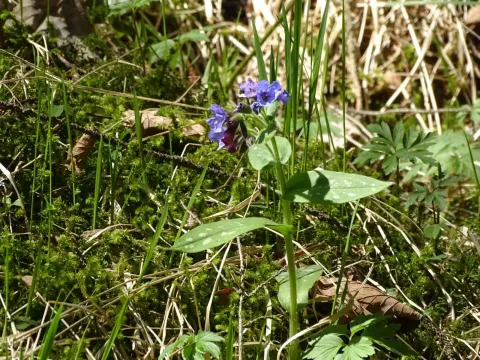
Styrian lungwort
Pulmonaria stiriaca
Styrian lungwort is a perennial plant that can be propagated through seeds sown in autumn for natural stratification or by dividing mature rhizomes in late summer.
What the section contains
Styrian lungwort
When propagating by division, carefully extract the clump and split it into pieces, ensuring each section has healthy roots and viable buds for future growth.
Seeds should be sown in a moist, well-prepared seedbed, covering them lightly with soil to maintain the necessary humidity and darkness for optimal germination.
After transplanting divisions, it is crucial to water the plants thoroughly to settle the soil around the roots and prevent air pockets that might dry them out.
Successful establishment depends on spacing plants at least 30 centimeters apart, allowing sufficient room for the leaves to expand and air to circulate.
Belonging to the Boraginaceae family, this species thrives in temperate climates and is native to the forested mountain regions of Central Europe.
It performs best in shaded or partially shaded environments, as the foliage is highly sensitive to intense sun exposure, which can cause significant damage.
The plant requires humus-rich, well-draining, and consistently moist soil to support its active growth cycle during the spring and early summer months.
Regular mulching with organic matter, such as leaf mold or compost, is highly recommended to replicate the natural woodland floor conditions it prefers.
Styrian lungwort is extremely hardy and resilient to cold temperatures, making it a reliable perennial that survives winter dormancy without additional protection.
Powdery mildew is the most common fungal issue for this species, particularly during periods of high humidity and poor ventilation among the foliage.
Gastropods, including slugs and snails, are frequent pests that target young, succulent leaves, necessitating regular monitoring and physical deterrents.
Effective management includes keeping the planting area free of debris and ensuring that the plants are not overcrowded to reduce humidity levels.
In cases of severe infestation, using approved botanical or systematic fungicides may be necessary to preserve the plant's health and aesthetic value.
Maintaining strong, vigorous plants through proper soil nutrition and moisture management is the best defense against both pests and secondary infections.