
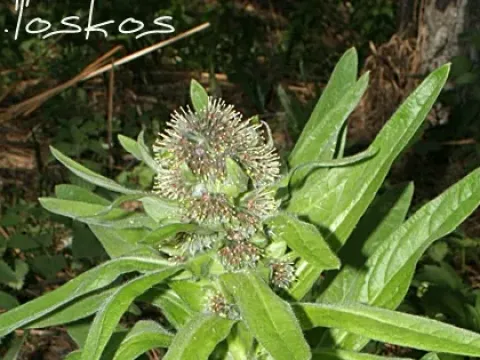
Solenanthus
Solenanthus
Solenanthus seeds require cold stratification to break dormancy, making autumn sowing highly effective for professional cultivation. If planting in spring, seeds must be kept in cold storage for at least 4–6 weeks before sowing to ensure high germination rates.
What the section contains


Solenanthus
The optimal sowing depth is shallow, approximately 1–2 centimeters, to allow the small seeds sufficient access to light and oxygen. Ensuring correct spacing, typically 30–40 centimeters between plants, is essential for adequate airflow and plant development.
The soil should be prepared by clearing out perennial weeds, which compete for nutrients during the slow early growth phase of Solenanthus. Consistent moisture in the seedbed is required during the first weeks after germination until the root system establishes.
In large-scale operations, greenhouse propagation is often used to ensure uniform seedling quality. Raising transplants allows farmers to better control the environment, resulting in stronger plants that are better prepared for field transplantation.
Transplanting into the field should occur after the danger of frost has passed and soil temperatures reach at least 10–12 degrees Celsius. Proper preparation of the planting hole with organic matter can significantly boost initial growth and resilience.
Solenanthus belongs to the Boraginaceae family and represents a genus of perennial herbs naturally adapted to high-altitude and arid mountain environments. These plants have evolved to thrive in challenging soil conditions with minimal intervention.
The crop requires well-drained, porous soils that prevent root rot, which is a major risk factor in heavier clay substrates. A neutral or slightly alkaline pH level is ideal for nutrient uptake and overall plant vigor throughout the growing season.
Light availability is critical for the development of Solenanthus; the plants should be situated in full sun to partial shade. In inadequate light conditions, the plants tend to lose their structural integrity and exhibit reduced flowering potential.
Agricultural management involves regular weeding and light surface cultivation to break the crust layer, allowing for better water infiltration. Fertilization should be managed carefully, as high nitrogen levels can compromise winter hardiness and plant health.
Economically, Solenanthus is used in landscape restoration and as a specialized honey plant in mountainous regions. Its natural drought tolerance makes it a valuable asset for sustainable agriculture in areas prone to seasonal water shortages.
Root rot and crown diseases are the primary threats to Solenanthus, usually caused by stagnant water or excessively humid conditions. Proper soil drainage and avoiding overhead irrigation during cool, damp weather can significantly mitigate these risks.
Pests such as aphids and various leaf-chewing beetles can cause localized damage to the foliage and flower buds. Monitoring plants for early signs of infestation is essential to prevent significant yield losses during the active growth season.
Preventative cultural practices, such as removing debris and ensuring adequate ventilation between rows, are the most effective ways to maintain plant health. These simple steps reduce the need for aggressive pesticide applications.
When chemical control becomes necessary, it is crucial to use targeted, low-impact products to avoid harming beneficial pollinator insects. Integrated pest management strategies should always prioritize environmental safety and long-term sustainability.
Maintaining a strong, healthy crop through proper site selection and balanced nutrition reduces susceptibility to most pests and diseases. Resistant plant selection and vigilance are the cornerstones of successful Solenanthus production.