
Tiquilia
Tiquilia
Tiquilia is a genus of plants belonging to the Boraginaceae family. These plants are uniquely adapted to thrive in some of the most arid environments on Earth, displaying high resilience to water scarcity and extreme heat.
What the section contains


Tiquilia
The native range of the genus covers desert and semi-desert areas across North and South America. These plants have evolved to survive in high-light and low-precipitation environments where standard crops would fail to germinate or grow.
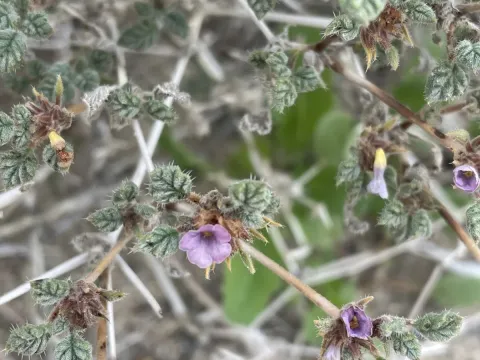
Botanically, Tiquilia species are characterized by their low-growing, mat-forming habit. Their leaves are often coated with fine hairs or scales, a physical adaptation known as trichomes, which help to reflect solar radiation and decrease transpirational water loss.
Cultivation requires specific soil conditions, prioritizing coarse, well-drained, sandy, or rocky substrates. Providing adequate aeration for the root system is critical, as Tiquilia is extremely sensitive to moisture buildup in the root zone.
From an agricultural standpoint, Tiquilia serves as an essential species for soil stabilization and erosion control in arid landscapes. Its ability to colonize disturbed sandy soils makes it a candidate for ecological restoration projects in desert regions.