
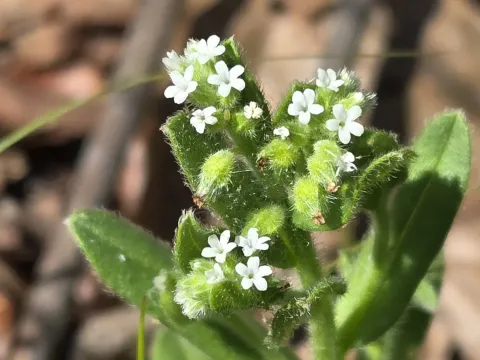
Spring forget-me-not
Myosotis verna
Spring forget-me-not (Myosotis verna) is a member of the Boraginaceae family. This annual herbaceous plant is primarily recognized for its specific habitat preferences, typically found in open fields and sandy soils across its native range in North America.
What the section contains
Spring forget-me-not
The plant thrives in full sun exposure, requiring adequate solar radiation for optimal development. It prefers well-drained, light-textured soils such as sand or sandy loam, which prevent waterlogging and facilitate healthy root respiration during the early growth phase.
Regarding climate, this species prefers temperate conditions with mild, moist spring weather. It is relatively adaptable to variable soil moisture, but consistent irrigation during the germination stage is essential to ensure a high plant density in the field.
The chemical composition of the soil plays a vital role in plant performance. Neutral to slightly acidic soil environments are ideal, as they optimize the availability of essential micronutrients necessary for the plant's metabolic processes and flowering stages.
Agricultural management requires careful attention to weed control during the seedling stage, as the plant does not tolerate significant competition for resources. Precise seed placement is also critical, given the minute seed size typical of this genus.
Powdery mildew is a common fungal threat to spring forget-me-not, particularly in dense stands with poor air circulation. This disease manifests as a white, dusty layer on the foliage, which can severely hinder photosynthesis if left untreated.
Aphids represent a primary pest concern, often colonizing the tender shoots and floral buds. Their feeding activity extracts sap from the plant, which may stunt growth and lead to the transmission of secondary viral infections if populations are not managed.
Root rot, often caused by soil-borne pathogens like Pythium or Phytophthora, frequently occurs in fields with poor drainage. Once established, these diseases can lead to rapid wilting and mortality of the plants, necessitating immediate soil management adjustments.
Slugs and snails can cause substantial damage to young foliage, especially during periods of high humidity or rainy weather. Integrated pest management strategies, such as physical barriers or biological controls, are effective in protecting the crop.
To mitigate the impact of disease and pest outbreaks, crop rotation should be strictly implemented. Avoid planting this species in soil recently occupied by other Boraginaceae members to break the life cycle of specialized pathogens and pests.