
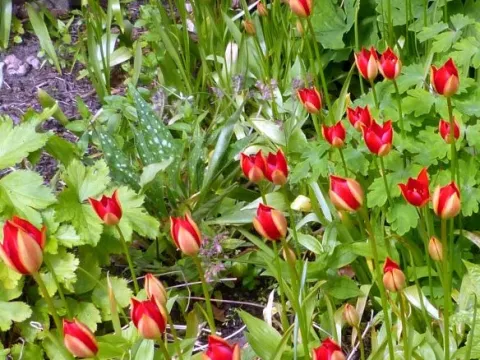
Soft lungwort
Pulmonaria mollissima
Soft lungwort (Pulmonaria mollissima) belongs to the Boraginaceae family. In agricultural practices, this crop is propagated either by seeds or through division of the rhizomes. Seeds require stratification, making late autumn the optimal time for sowing directly into the soil.
What the section contains
Soft lungwort
Spring sowing is performed in April after the seeds have undergone a cold treatment to enhance germination rates. Seeds should be planted at a depth of 1–2 centimeters, ensuring they maintain good contact with a moist substrate.
Seedlings typically emerge within 2–3 weeks under favorable conditions. Consistent soil moisture is crucial during this phase, as drying out the substrate can significantly hinder the development of young plants.
Pricking out the seedlings should be done once the first true leaves appear. In commercial cultivation, spacing rows 40–50 centimeters apart is recommended to ensure adequate room for maintenance and weed control.
Vegetative propagation via rhizome division is best conducted in late August. This method ensures the offspring maintain genetic consistency and are typically strong enough to establish roots before the arrival of winter.
This crop thrives in shaded or semi-shaded environments, mirroring its natural forest habitat. It requires loose, humus-rich soil with a neutral to slightly acidic pH, capable of moisture retention without being waterlogged.
For heavy clay soils, incorporating sand and well-rotted compost is essential to improve drainage and aeration. Proper root health is vital, as the plant does not tolerate stagnant water around its crown.
Soft lungwort is characterized by high winter hardiness, allowing it to grow in temperate climates without additional winter protection. However, mulching the root zone with leaf mold or straw is beneficial in areas with little snow cover.
Regular irrigation is necessary during dry spells, particularly during the growing season. A lack of water results in the rapid wilting of the leaves, which reduces both the ornamental value and the yield of medicinal raw material.
Organic fertilization, specifically the application of compost or diluted manure, is recommended at the beginning of the vegetative season to support vigorous growth and improve the nutrient composition of the herb.
The primary economic use of soft lungwort centers on the harvesting of its aerial parts for medicinal purposes. The herb is rich in saponins, tannins, and essential minerals, making it a valued ingredient in herbal medicine.
Beyond its medicinal properties, the plant is a significant early-season nectar source. It provides essential support for pollinators in early spring when few other floral resources are available in the landscape.
In landscaping, soft lungwort is utilized for its attractive, pubescent leaves. Growing the plant in mass plantings creates highly desirable ground cover for shaded garden areas and woodland edges.
Maximum yield of aerial biomass is typically achieved by the third year after planting. Regular harvesting and cutting stimulate the growth of new leaf rosettes, allowing for multiple harvests if done carefully.
The plant also serves as an effective soil stabilizer in temperate zones, as its rhizome network helps to prevent erosion on sloped areas with light or sandy soils.
Powdery mildew is the most common disease affecting soft lungwort, particularly in areas with poor airflow and high humidity. Proactive spacing and good circulation are the most effective management tools.
Slugs and snails can cause substantial damage to young, tender foliage during the spring. Monitoring and implementing manual or biological control methods are necessary to protect the plant's aesthetic and medicinal quality.
Leaf-eating insects may damage the foliage, negatively impacting the marketable yield. Biological insecticides should be preferred to maintain the organic integrity of the collected medicinal raw material.
Root rot occurs if drainage is insufficient or if the soil remains constantly waterlogged. Site selection and proper soil amendment are the primary methods for preventing this condition.
Maintaining a clean field by removing dead plant debris and weeds significantly reduces the likelihood of fungal infections and provides a less hospitable environment for potential pests.
Medicinal harvesting is best performed during the peak of flowering, as the concentrations of bioactive compounds are at their highest. This period generally occurs during the spring months.
Plants are cut at 5–10 centimeters above the soil level. Care must be taken to avoid damaging the crown, as this is critical for the plant's ability to regenerate and provide future yields.
Immediately after harvesting, the raw material should be sorted and cleaned of debris. Drying should take place in the shade with constant airflow to ensure the preservation of delicate oils and phytochemicals.
Avoid drying under direct sunlight or at high temperatures, as excessive heat can degrade the herb's quality. A temperature ceiling of 40 degrees Celsius in the drying area is recommended.
Properly dried material should be stored in dark, cool, and dry conditions, ideally in paper bags or airtight containers, maintaining quality for up to two years post-harvest.