
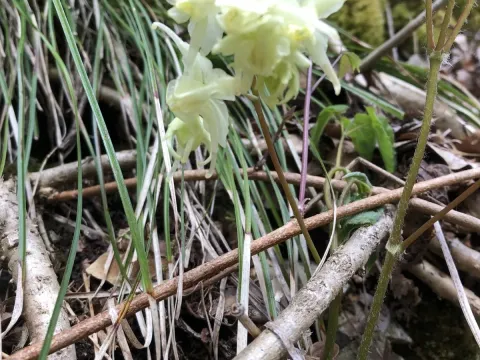
Korean barrenwort
Epimedium koreanum
Korean barrenwort (Epimedium koreanum) is a perennial herbaceous plant belonging to the Berberidaceae family. It is native to the forests of Korea, Japan, and parts of the Russian Far East, where it grows in sheltered understory environments.
What the section contains
Korean barrenwort
The plant thrives in partial to full shade. It is an ideal groundcover for woodland areas where sunlight is filtered through the canopy, as direct afternoon sun can damage the delicate foliage and dry out the root structure.
The soil requirements are specific: it needs a loose, well-draining, and humus-rich substrate. A mixture including leaf mold and organic peat helps maintain the slightly acidic to neutral pH that the plant prefers for optimal nutrient uptake.
Climate-wise, Epimedium koreanum is quite resilient to cold temperatures. It remains dormant through the winter and benefits from a layer of mulch in colder regions to insulate the roots from sharp temperature fluctuations.
In terms of agricultural and pharmaceutical utility, this species is highly valued for its medicinal properties. Extracts from the plant are known for their health benefits, often utilized in herbal medicine for immune and reproductive support.
The primary threat to Korean barrenwort is root rot, which occurs when the soil remains waterlogged for extended periods. Ensuring good drainage at the site of planting is essential for long-term survival.
Powdery mildew can affect the foliage during humid seasons, especially in areas with poor airflow. Regular thinning of the plants helps improve air circulation and significantly reduces the risk of fungal growth.
Slugs and snails are the most common pests, as they feed on the soft, young shoots during spring growth. Gardeners often use physical barriers or organic baits to protect the young foliage until it hardens.
Although the plant is generally hardy, it should be monitored for signs of leaf spots. If any diseased leaves appear, they should be removed and disposed of immediately to prevent the spread of spores.
Maintaining a healthy, clean environment around the plant is the best defensive strategy. Proper irrigation, avoiding overhead watering, and periodic maintenance keep the plants robust and resistant to pests.