
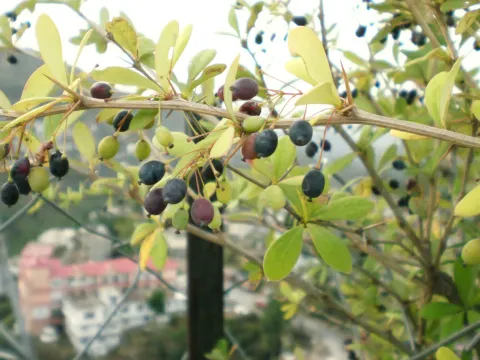
Berberis coriaria
Berberis coriaria
Berberis coriaria is a distinctive species within the Berberidaceae family, known for its thick, leathery foliage. As an evergreen or semi-evergreen shrub, it provides year-round visual interest in gardens and landscapes, thriving in varied environments.
What the section contains
Berberis coriaria
Originating from the mountainous regions of the Himalayas and Northern India, this plant is well-adapted to rocky slopes and temperate climates. Its natural resilience has made it a subject of interest for both collectors and commercial growers looking for hardy, attractive shrubs.
The species requires well-drained soil with a slightly acidic to neutral pH. It is particularly sensitive to waterlogged conditions, which can lead to root rot; therefore, planting in raised beds or areas with excellent drainage is highly recommended for optimal development.
Exposure to full sun is crucial for maintaining the plant's health and encouraging the production of its characteristic berries. While it can tolerate partial shade, insufficient light often results in leggy growth and reduced flowering frequency.
Regular maintenance involves pruning to shape the shrub and remove dead wood, which helps improve air circulation. In regions with harsh winters, young plants should be protected with mulch or burlap to prevent frost damage to the roots and tender stems.
The berries of Berberis coriaria are valued for their tart flavor and are traditionally used in cooking for sauces, jellies, and as a natural acidifier in various dishes. Their high vitamin content makes them a sought-after supplement in healthy diets.
In terms of landscaping, the shrub is widely utilized for creating dense, thorny hedges that offer both aesthetic appeal and security. The spines are effective at discouraging unwanted visitors, making it a functional choice for garden perimeters.
The plant holds significant pharmaceutical potential due to the presence of berberine, an alkaloid found in the roots and bark. This compound is known for its antimicrobial and anti-inflammatory properties, forming the basis for many herbal remedies.
Traditional dye-making also relies on Berberis coriaria, as its roots and bark yield a vibrant yellow pigment. This historical use remains relevant in artisanal crafts and natural textile dyeing industries today.
Achieving a good harvest requires consistent moisture during the growing season and protection from extreme weather. Once established, the shrub is capable of producing significant quantities of fruit, provided it receives appropriate nutrients throughout the year.
Powdery mildew represents a major challenge for this species, especially in areas with high humidity and stagnant air. Management involves improving plant spacing and applying appropriate fungicidal treatments when signs of white fungal growth appear on leaves.
Aphids are the most common insect pests, feeding on the undersides of young leaves and weakening the plant. Monitoring for early signs of infestation allows for mechanical removal or the use of insecticidal soaps, which are effective in early stages.
Rust diseases, often appearing as orange or yellow pustules on leaves, require careful sanitation. Removing and destroying fallen leaves is essential to prevent the spread of fungal spores in the garden during subsequent growing seasons.
Bacterial infections can lead to branch dieback or gall formation. Any infected material should be pruned away immediately using sanitized tools, followed by the application of copper-based dressings to protect the wound site from reinfection.
Overall plant health is the best defense against pests and diseases. Providing adequate fertilization, avoiding over-watering, and ensuring clean surroundings will minimize stress and significantly enhance the plant's resistance to biological threats.