
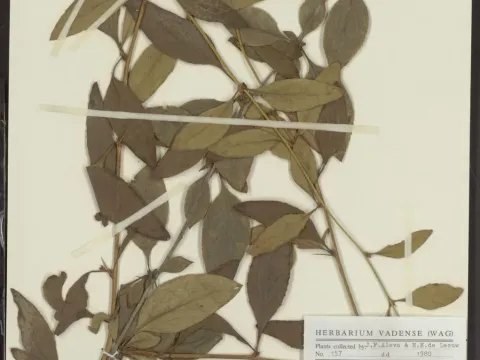
Girald's barberry
Berberis giraldii
Girald's barberry (Berberis giraldii) is a deciduous shrub belonging to the Berberidaceae family, native to the mountainous regions of China. It is highly regarded in horticulture for its ornamental appeal, characterized by bright foliage and abundant red fruit clusters.
What the section contains
Girald's barberry
The plant thrives in full sun but can tolerate partial shade. It prefers fertile, well-drained, neutral to slightly alkaline soils. Proper site selection is crucial, as the species does not tolerate waterlogged conditions which can lead to root system decay.
It exhibits strong cold hardiness, making it suitable for temperate climate zones. While mature shrubs are quite robust, young plants benefit from mulch around the base to retain moisture and protect the root zone during the first two winters after planting.
Cultivation practices include regular weeding and annual pruning in late winter or early spring. This promotes a denser growth habit and improves the overall health of the shrub by removing dead, damaged, or overcrowded wood.
In landscaping, this species is widely used for hedging and barrier plantings due to its thorns. It serves both aesthetic and functional roles, acting as a visual screen and a deterrent against unwanted intrusion in garden designs.
Powdery mildew is the most common fungal disease affecting Berberis giraldii, appearing as a white dusty coating on leaves. Management involves applying sulfur-based fungicides and ensuring adequate spacing between plants to improve air circulation.
Rust infection can also occur, causing leaf spots and premature defoliation. Sanitation is key; gardeners should rake up and destroy fallen leaves in the autumn to reduce the spread of fungal spores in the following spring season.
Aphids are frequent pests that feed on new growth, causing stunted development. If infestations are significant, the use of systemic insecticides or insecticidal soaps can be effective in controlling populations without harming the plant's structural integrity.
Bacterial blight can cause cankers on branches, which should be pruned out immediately. Cutting several inches below the visible damage and disinfecting tools between each cut is essential to prevent the spread of the bacterium to other healthy branches.
Maintaining a healthy, well-nourished plant is the best preventive strategy against pests and diseases. Regular monitoring and irrigation management help ensure the barberry remains vigorous and resistant to environmental stressors throughout the growing season.