
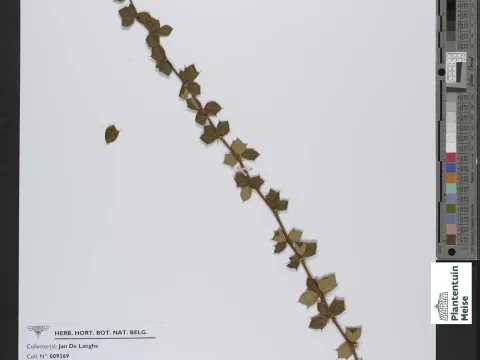
Berberis antoniana
Berberis antoniana
Berberis antoniana is a perennial evergreen shrub belonging to the Berberidaceae family. This distinct species is recognized for its unique botanical traits and adaptation to high-altitude environments, making it a specialized choice for ornamental horticulture.
What the section contains
Berberis antoniana
Originating from the mountainous regions of South America, specifically in Peru, this plant thrives in climates with high sun exposure and cool temperatures. Its natural habitat is characterized by well-drained slopes, which dictates its core cultivation requirements in gardens.
For successful growth, Berberis antoniana requires sandy loam or loamy soils with excellent drainage. The species is highly intolerant of waterlogged conditions, which can quickly lead to root rot and systemic decline of the shrub.
The plant performs best in locations that receive full sun to partial shade. In environments with intense summer heat, light afternoon shade is recommended to protect the foliage from leaf scorch and dehydration, preserving the plant's evergreen character.
Agricultural management should focus on soil moisture balance and moderate fertilization. Applying a slow-release granular fertilizer in early spring supports healthy growth without forcing the plant into an overly rapid, weak development cycle.
The primary threats to Berberis antoniana are fungal pathogens, particularly powdery mildew, which often develops in stagnant air conditions. Proper spacing and airflow around the plant are essential to prevent the spread of fungal spores.
Insect pests such as aphids and spider mites represent a secondary but significant threat. These pests typically congregate on the underside of leaves and young stems, causing physiological stress and reducing the ornamental value of the shrub.
Preventative measures include regular sanitation, such as removing fallen leaves and pruning dead or diseased branches. This reduces the environment where pests and pathogens overwinter, effectively lowering the risk of infestation.
Integrated pest management, starting with horticultural oils or insecticidal soaps, is the preferred approach for control. Stronger chemical pesticides should be used judiciously to avoid harm to beneficial insects and the surrounding ecosystem.
Continuous monitoring of the foliage and stem health is critical for timely intervention. Early identification of symptoms ensures the efficacy of treatments and promotes the longevity of the Berberis antoniana specimens in the landscape.