
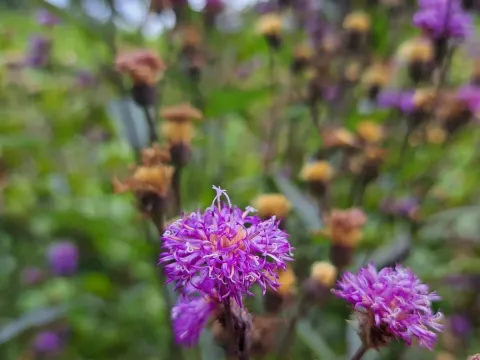
Broadleaf ironweed
Vernonia glauca
Broadleaf ironweed seeds should be sown in early spring once the threat of frost has passed and soil temperatures have reached at least 15 degrees Celsius. Cold stratification is often recommended to improve the germination rate.
What the section contains
Broadleaf ironweed
Fall sowing is also a viable option in many climates, allowing the seeds to undergo a natural dormancy-breaking period during the winter. This often leads to more vigorous seedlings in the early spring.
For indoor starts, sow seeds in trays about 6-8 weeks before the last frost date. Use a light, well-draining seed-starting mix and cover the seeds very lightly with soil, as they require some light for optimal germination.
Transplanting seedlings to their permanent location should be done carefully to avoid disturbing the root system. Ensure each plant has sufficient space, typically 40-50 centimeters apart, to allow for optimal airflow and development.
Proper seedling management is critical during the first few weeks after transplanting. Regular moisture is needed to establish the root structure before the plant becomes fully independent and drought-tolerant.
As a member of the Asteraceae family, Vernonia glauca thrives in full sun but can tolerate partial shade in hotter climates. It is a robust perennial that adds significant structure to a landscape or plot.
The ideal soil for Broadleaf ironweed is rich in organic matter, slightly acidic to neutral, and well-draining. While it adapts to various soil types, it performs best when supplied with adequate nutrients throughout the season.
This plant is moderately drought-tolerant once established due to its deep taproot, but it performs best with consistent moisture during the peak growing phase. Avoid waterlogged conditions which can lead to root health issues.
A balanced fertilizer applied in early spring helps boost vegetative growth. Supplemental feedings with phosphorus and potassium just before the flowering stage will support the development of vibrant, healthy blooms.
The plant is hardy across many temperate zones, but in regions with extreme winter cold, providing a layer of mulch around the base will help protect the crown and ensure healthy regrowth in the following season.
Broadleaf ironweed is generally resistant to many pests, but it can be susceptible to powdery mildew if airflow is poor. Maintaining proper spacing between plants is the most effective way to prevent fungal infections.
Root rot is a potential risk if the soil remains excessively wet for long periods. Ensuring excellent drainage through soil amendments or site selection is key to avoiding these physiological challenges.
Aphids and spider mites are the most common insect pests that may target the foliage during hot, dry spells. Monitoring the undersides of leaves will allow for early detection and targeted intervention if populations increase.
In some cases, caterpillar infestations can cause leaf damage. Physical removal or the use of targeted biological controls, such as neem oil or specific bacterial agents, can help manage these populations effectively.
Regular garden sanitation, including the removal of dead leaf litter around the base of the plant, reduces the habitats where pathogens and pests can overwinter, keeping the entire plot healthier.
Harvesting for botanical or decorative purposes should occur when the flowers have just opened to ensure the highest quality of the plant material. Use sharp, clean tools to make clean cuts and avoid damaging the main stem.
Drying the stems requires a dark, dry location with excellent air circulation. This process preserves the color of the flowers and the integrity of the essential compounds within the leaves and stems.
Seed harvesting should be planned when the seed heads begin to turn brown and dry on the stalk. Collecting them early in the morning prevents the seeds from being dispersed naturally by the wind or animals.
After the seeds have been collected, clean them by removing any chaff or debris. Store the seeds in a cool, dry place within breathable containers to maintain their viability for the next planting season.
At the end of the season, cut back the remaining foliage to a height of 10 centimeters above the ground. This helps the plant redirect energy to the roots, which is crucial for winter survival and spring energy reserves.