
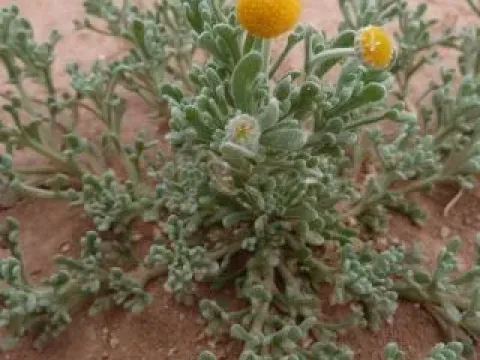
Brocchia
Brocchia
The sowing season for Brocchia depends primarily on regional climate and intended use. In temperate zones, seeds should be sown in early spring as soon as soil temperatures reach 8–10 degrees Celsius.
What the section contains

Brocchia
The ideal planting window is a period of consistent warmth, avoiding the risk of late frost. For autumn sowing, it is crucial to ensure protection against excessive moisture and significant temperature fluctuations during winter months.
Seed depth should be maintained at 1–2 centimeters, depending on the soil structure. It is vital to ensure uniform seed distribution to promote even emergence and prevent overcrowding.
For industrial-scale farming, precision seeders are recommended to optimize seed rates and ensure sufficient spacing for every plant to develop fully throughout the growing season.
Pre-sowing soil preparation, including deep plowing and leveling, is essential to create optimal contact between the seed and moist soil layers, thereby accelerating germination.
Brocchia requires moderately fertile soils and thrives best in light sandy or loamy textures. A critical requirement is good drainage to avoid water stagnation, as the root system is highly sensitive to waterlogging.
The optimal soil pH level for successful development ranges from 6.0 to 7.5. On excessively acidic soils, the crop exhibits stunted growth and characteristic signs of nutrient deficiency or chlorosis.
This plant is sun-loving, requiring open areas with excellent light exposure. Shading can lead to weak stems and a significant decrease in overall biomass production.
During the active growing phase, Brocchia requires regular and moderate irrigation. While it shows some tolerance to short dry spells, consistent moisture is necessary to maintain succulent stems and high yield.
The crop responds well to balanced mineral fertilizers containing nitrogen, phosphorus, and potassium. Organic amendments are best applied during autumn soil preparation to improve structural soil health.
The yield of Brocchia depends largely on the intensity of management and soil quality. Under optimal cultivation conditions, it is possible to achieve two full cuts per growing season.
High productivity makes this crop a promising source of green fodder in regions with a suitable climate. Rapid regrowth is one of its key advantages, allowing for shortened intervals between harvests.
Key factors affecting total biomass include timely irrigation and nutrient application during the rapid growth phase. Proper spacing also plays a vital role in maximizing the yield per hectare.
With high-standard agricultural practices, yields can exceed industry averages by 15–20 percent. Effective weed control in the first few weeks is crucial to achieving optimal results.
Crop residues can be incorporated into the soil to serve as a natural amendment, maintaining soil fertility and supporting the health of subsequent crops in the rotation cycle.
Fungal diseases are the primary threat to Brocchia, particularly in high-humidity conditions. Powdery mildew may occur when there are significant temperature swings between day and night.
Common pests include aphids, which feed on the sap of young leaves and shoots. Preventive insecticide treatments should be applied at the first sign of infestation to prevent spread.
Root rot is a major risk when crop rotation practices are neglected or if soil drainage is inadequate. Maintaining spatial isolation and avoiding monoculture are essential preventive measures.
Leaf damage by pests reduces photosynthetic capacity and weakens plant immunity. Regular field monitoring is therefore a mandatory part of any successful agronomic plan.
Biological pest control methods are increasingly used to minimize environmental impact while maintaining the quality of the forage for livestock consumption.
Harvesting should be planned for the onset of the budding or flowering stage, as this is when the biomass contains the maximum concentration of nutrients. Delaying harvest leads to stem lignification.
Mowing is typically performed using specialized machinery at a height of 5–7 centimeters above the ground. This encourages rapid regrowth and improves the chances of subsequent cuts.
Freshly harvested material must be transported promptly to storage or processing facilities to prevent degradation. Excessive exposure to direct sunlight should be avoided to preserve the vitamin content.
For hay production, rapid drying is necessary to prevent spoilage and mold development. Efficient turning of the windrows ensures uniform drying of all plant parts, including the succulent stems.
For seed collection, harvesting should take place when the flower heads change color, indicating physiological maturity. Seeds require thorough drying and cleaning before long-term storage.