
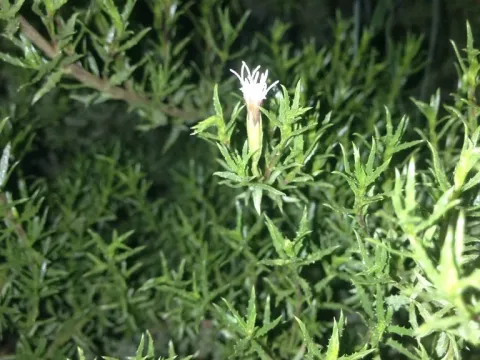
Brickellia
Brickellia
Brickellia is a genus of perennial plants and shrubs belonging to the Asteraceae family. These plants are native to North America and are well-adapted to arid environments, including canyons and rocky foothills.
What the section contains


Brickellia
The core requirement for growing Brickellia is full sun exposure combined with excellent drainage. These plants thrive in environments where soil moisture does not accumulate, mimicking their native rocky habitats.
Soil composition should be light and well-aerated. Sandy or rocky soils are ideal for the plant as they prevent root rot, which is the most common cause of failure in domestic cultivation settings.
Climate requirements involve dry, warm conditions. Brickellia is highly tolerant to heat and low humidity, making it an excellent candidate for xeriscaping and low-maintenance landscape designs.
Regarding its utility, while some species are explored for their botanical properties, Brickellia is primarily valued for its role in ornamental gardening, specifically in ecological zones where water conservation is a priority.
The primary threat to Brickellia health is root rot caused by improper irrigation or soil with poor drainage properties. Constant monitoring of soil moisture levels is critical.
Pests such as aphids and spider mites may target the plant during periods of prolonged drought or stress. Regular inspection of the foliage helps in early detection of infestations.
Powdery mildew can occur if air circulation is poor or if the foliage remains wet for extended periods in humid climates. Proper spacing between plants is recommended to mitigate this risk.
Management of these threats involves cultural controls such as improving aeration and using specific acaricides or fungicides if an outbreak occurs.
Maintaining a balanced environment with optimal airflow and strictly controlled moisture levels is the most effective strategy for preventing plant diseases.