
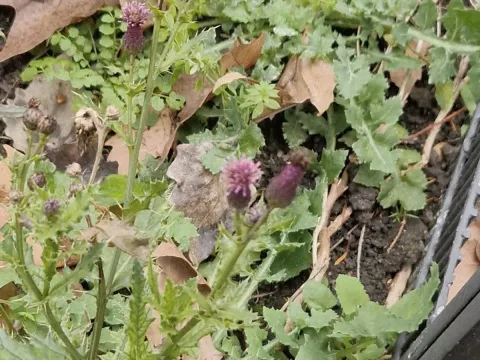
Breea
Breea
The genus Breea belongs to the Asteraceae family and is commonly recognized as a perennial herbaceous plant characterized by a vigorous root system. This trait allows the plant to persist in varied environmental conditions.
What the section contains
Breea
The plant thrives in fertile, well-aerated soils. It exhibits high adaptability to different soil types, ranging from sandy loams to heavy clays, provided there is adequate moisture availability during the growing season.
Botanically, it is distinguished by its ability to spread rapidly via underground rhizomes. This asexual reproduction mechanism makes it a persistent competitor against primary agricultural crops in field environments.
Climatic requirements are relatively flexible, as the plant shows strong winter hardiness and resilience to temperature fluctuations. It remains active throughout the temperate growing season.
Agricultural management requires integrated strategies including crop rotation, mechanical soil cultivation, and the application of systemic herbicides to ensure the depletion of root reserves and long-term control.
Common fungal diseases affecting this genus include rust and powdery mildew, particularly in regions with high humidity and poor air circulation within the plant canopy.
Insect pests, such as various species of aphids, frequently colonize the leaves, causing wilting and serving as vectors for plant viruses that impact overall vigor.
Root damage caused by soil-dwelling larvae, such as wireworms and white grubs, can significantly weaken the plant's ability to regenerate after mechanical intervention.
Specific weevil species are known to infest the flowering heads, which serves as a natural mechanism to limit seed production and population expansion.
Effective management strategies emphasize chemical control using systemic herbicides that translocate into the root system to prevent post-harvest regrowth in agricultural fields.