
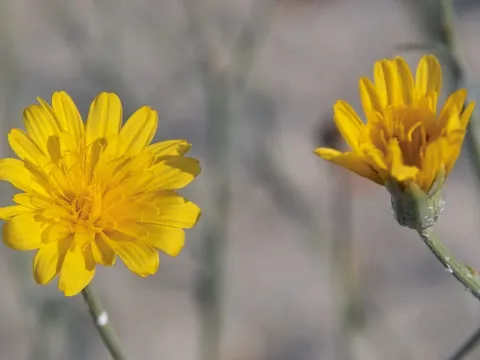
Tragopogon borysthenicus
Tragopogon borysthenicus
Tragopogon borysthenicus is a biennial plant belonging to the Asteraceae family. Sowing is typically carried out in early spring as soon as the soil reaches a temperature of 5–8 degrees Celsius to ensure uniform germination.
What the section contains
Tragopogon borysthenicus
For high-quality root development, seeds should be sown in rows with a spacing of 30–45 centimeters. The sowing depth should be maintained at 2–3 centimeters to prevent drying out and ensure optimal emergence.
Late autumn sowing is also a viable option in certain regions, allowing the plant to begin development earlier in the following season. Proper density is crucial for allowing the taproot to grow to its full potential.
Seedlings usually emerge within two weeks depending on soil moisture levels. Early weeding is essential during the initial growth phase, as the plant is quite sensitive to competition from aggressive weeds.
The plant exhibits high resistance to temperature fluctuations. When grown for seed production, the plant completes its life cycle in the second year by producing a tall flowering stem.
This crop thrives in open, sunny locations with loose, deep, sandy or light loamy soils. Soils with high clay content may lead to root deformation, which reduces the market value of the crop.
Tragopogon borysthenicus is relatively drought-tolerant but requires consistent moisture during the root enlargement phase. Poor drainage must be avoided to prevent root rot, which is a major threat to productivity.
A neutral soil pH is ideal for this crop. It does not tolerate highly acidic soils, so lime application should be performed well in advance if the soil analysis indicates high acidity levels.
A deep cultivation layer of at least 30 centimeters is necessary for the roots to grow straight and uniform. Organic fertilization should be applied to the previous crop to ensure soil fertility.
The plant performs best at temperatures between 18–22 degrees Celsius. During the hottest months, mulching can help maintain soil moisture and protect the surface roots from excessive heat.
The primary pests affecting the crop include aphids and wireworms, which can damage the leaves and the developing root system. Regular soil cultivation helps manage soil-dwelling pest populations.
Powdery mildew is a common fungal disease, especially in dense plantings with poor air circulation. Proper spacing and avoiding excessive nitrogen fertilizer are key preventive measures for managing this disease.
Root rot caused by waterlogging is a serious issue that can destroy stored crops. Improving soil drainage is the most effective way to prevent the development of these soil-borne pathogens.
Slugs can pose a threat to young seedlings and leaves, particularly in wet seasons. Mechanical traps and keeping the field area clear of debris are standard control methods for this pest.
Regular monitoring of the field is necessary to catch any signs of infestation or infection early. Prompt removal of damaged leaves or plants helps to prevent the spread of diseases across the field.
Harvesting is usually conducted at the end of the first year of growth, typically in October before the ground freezes. The roots are pulled or dug carefully to keep the skin intact.
The roots possess excellent storage qualities. In regions with mild winters, they can be left in the ground until spring, which can actually improve their flavor by increasing sugar concentration.
When harvesting, use digging forks to avoid damaging the fleshy roots. Any mechanical injury to the root surface significantly reduces the shelf life and increases susceptibility to decay during storage.
After lifting the roots, the foliage is trimmed, leaving a small stump of 1–2 centimeters. Roots should be cleaned of soil and air-dried slightly before being placed into storage containers.
Storage should be in a cool, dark, and humid environment, such as a cellar or refrigerated warehouse at 0–2 degrees Celsius. Proper storage conditions ensure that the crop remains firm and flavorful all winter.