
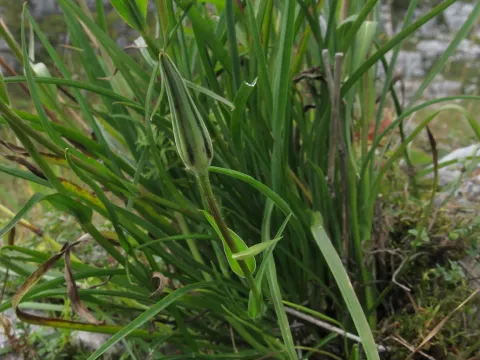
Tragopogon graminifolius
Tragopogon graminifolius
Tragopogon graminifolius, belonging to the Asteraceae family, is a biennial herbaceous plant cultivated for its nutrient-rich roots. The optimal sowing time is early spring, once the soil has warmed up to at least 5–8 degrees Celsius.
What the section contains
Tragopogon graminifolius
For best results, seeds should be sown in rows spaced 30 to 40 centimeters apart. This allows enough room for the plants to establish a strong root system during their first year of growth.
The seeds should be covered with 1.5–2 centimeters of fine, well-draining soil. Ensuring consistent moisture levels immediately after planting is critical to achieving a uniform germination rate across the field.
Thinning is a mandatory procedure conducted shortly after the first true leaves appear. A spacing of approximately 15–20 centimeters between plants within the row is necessary to promote the development of large, healthy roots.
Depending on the climatic zone, fall sowing is also an option in regions with mild winters. This allows for earlier harvesting in the following season due to early spring development.
This crop thrives in sunny locations with light, fertile, and humus-rich soils. While the plant is drought-tolerant, supplemental irrigation is highly recommended during dry spells to maximize root weight and quality.
The soil structure should be loose to allow the taproot to penetrate deeply without physical obstruction. Sandy loam soils provide the most favorable conditions for achieving straight, well-formed roots.
Tragopogon graminifolius prefers a neutral soil pH ranging from 6.5 to 7.5. Adjusting the acidity level before planting is a key agronomic step in ensuring optimal nutrient uptake.
Fertilization should prioritize phosphorus and potassium to enhance root development and sugar accumulation. Excessive nitrogen should be avoided to prevent the overgrowth of foliage at the expense of root energy storage.
Regular inter-row cultivation is essential to control weeds and improve soil aeration. Reducing competition from weeds in the early stages is vital for the survival and productivity of the young crop.
The economic value of Tragopogon graminifolius lies in its palatable, starchy roots that are rich in inulin. Yields are typically evaluated after the first full season of vegetative growth.
Average yields reach up to 20–25 tons per hectare under ideal soil and climate conditions. The quality is measured by the length, uniform thickness, and lack of branching in the harvested root crops.
The leaves and stems, when harvested at the right maturity, serve as excellent forage for livestock. This dual-purpose aspect makes it a versatile crop for mixed farming systems.
Market demand for inulin-rich ingredients in the health food industry continues to support the interest in cultivating this species. Developing stable supply chains remains the main challenge for commercial growers.
Implementing a proper crop rotation system where this plant follows cereals or legumes helps maintain high productivity and soil health across consecutive growing seasons.
The crop is occasionally susceptible to wireworms which can cause significant damage to the roots, leading to quality loss and increased infection risks through the entry points in the skin.
Powdery mildew is the most common fungal disease, especially during periods of high humidity or poor air circulation within the field. Maintaining sufficient row spacing is the primary preventive measure.
Rust fungi can also affect the leaf surface, which reduces the plant's overall photosynthetic capacity and weakens the root system. Regular field monitoring is necessary for timely intervention.
Pest management should prioritize biological controls and IPM (Integrated Pest Management) strategies. These methods effectively reduce chemical reliance while keeping populations of harmful insects at manageable levels.
To prevent disease buildup in the soil, it is recommended to observe a strict rotation interval of at least three to four years before planting Tragopogon in the same field again.
Harvesting is usually carried out in the autumn of the first year of growth. The timing should be precise to ensure the roots have accumulated sufficient sugars before the onset of winter dormancy.
Mechanical harvesting equipment, such as undercutting blades or specialized root diggers, is used to lift the crop from the soil. This minimizes damage and maintains the structural integrity of the taproots.
Post-harvest care includes brushing off excess soil, trimming the foliage, and drying the roots in a ventilated, shaded area. Removing damaged or rotten specimens is crucial for successful long-term storage.
Storage should take place in a cool, dark environment with high relative humidity and temperatures kept near 0–2 degrees Celsius to prevent sprouting or dehydration.
Some growers practice wintering the crop directly in the ground, as it is frost-hardy. This exposure to cold often triggers a sweetness-enhancing process, making the roots highly desirable for culinary use in the early spring.