
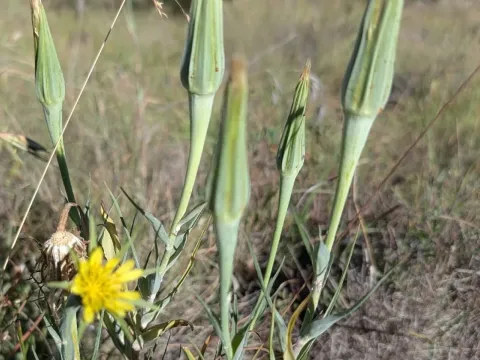
Tragopogon dubius
Tragopogon dubius
Tragopogon dubius, commonly known as western salsify, is a biennial plant belonging to the Asteraceae family. It is valued for its edible taproot, which is often consumed in traditional and gourmet culinary practices.
What the section contains
Tragopogon dubius
The sowing process begins in early spring as soon as the soil is workable. Seeds should be planted at a shallow depth of approximately 1.5 to 2 centimeters to ensure successful germination in cool, moist soil conditions.
Sowing in rows with a spacing of 30 to 45 centimeters allows for proper plant development and facilitates weed control. Thinning is essential once the seedlings reach the stage of two or three true leaves to maintain adequate spacing.
The species adapts well to different climates, though it prefers well-drained soil to prevent rot during the early stages of growth. Proper moisture levels during the first weeks are crucial for establishing a healthy taproot.
Fall sowing is an alternative strategy in warmer regions, allowing the plant to establish its root system before winter. This leads to early spring vigor and earlier maturity compared to spring-sown crops.
Western salsify thrives in full sun exposure. Shaded areas significantly reduce the yield and quality of the taproot, making site selection a critical factor for successful production in any farming operation.
Light, sandy loam soils are ideal for this crop. Heavy clay or compacted soils should be avoided or amended with organic matter, as they restrict taproot elongation and often result in malformed or stunted vegetables.
The plant is highly drought-tolerant once established due to its deep taproot system. However, for culinary purposes, consistent irrigation during dry spells is necessary to produce tender and sweet-tasting roots.
Temperature range should be moderate, ideally between 15 and 25 degrees Celsius during the growing season. The plant is frost-hardy and can withstand significant cold, which makes it suitable for northern regions.
Nutrient requirements are relatively low compared to other root vegetables. Excessive nitrogen application should be avoided as it encourages leafy top growth rather than energy storage in the root, affecting overall yield.
Slugs and snails are the primary pests during the seedling stage. They can rapidly defoliate young plants, so organic bait or physical barriers should be used to protect the crop during the early development period.
Aphids may infest the flower buds during the summer months. While they rarely kill the plant, they can weaken it and spread viral infections, necessitating regular monitoring and timely intervention if numbers spike.
Powdery mildew represents a common fungal threat, especially in humid and stagnant air conditions. Improving airflow through wider spacing and site management is the most effective way to prevent outbreaks.
Root rot is typically associated with poor drainage. Once established, this pathogen is difficult to control, making preventive measures such as raised beds or soil amendment the best management strategy.
Rust infections, which appear as orange-brown spots on foliage, can lead to premature leaf senescence. Ensuring healthy plants through proper crop rotation is vital to minimizing the impact of these diseases.
Harvesting usually takes place in late autumn of the first year or early spring of the second. The roots are at their culinary best when they are young and have not yet developed a woody core.
A garden fork or a specialized vegetable harvester is required for extraction, as the roots can grow quite long. Careful lifting is essential to prevent snapping the fragile tips of the salsify roots during collection.
After harvesting, the greens should be trimmed off to allow the root to retain moisture. Roots can be scrubbed clean and stored in cool, humid conditions to preserve their texture and flavor for several months.
Culinary use includes roasting, frying, or boiling the roots, which have a characteristic mild, nutty flavor similar to oysters, often resulting in their popularity as a gourmet vegetable substitute.
For seed production, selected plants are left in the ground until the second year. Once the seed heads mature and turn brown, they are harvested and dried to prepare for the next season's planting cycle.