
Telekia speciosa
Telekia speciosa
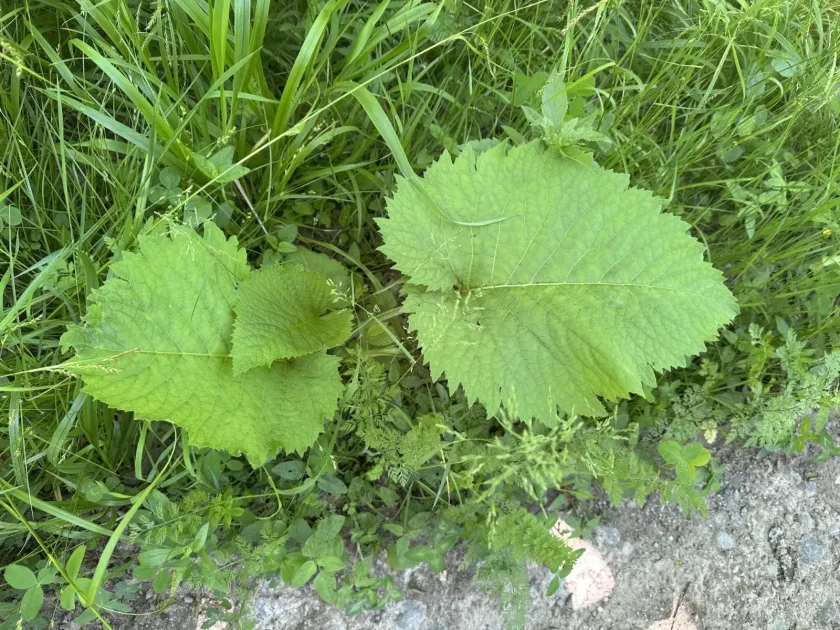
Description
Sowing dates
Sowing Telekia speciosa seeds is best performed in late autumn, allowing the seeds to undergo natural winter stratification, which is critical for uniform germination.
Spring indoor sowing is also possible, requiring pre-treatment of seeds at low temperatures (approx. 4°C) for several weeks prior to planting in sowing trays.
The seeds are relatively small and should be pressed gently into the substrate without covering them deeply, as they require light to stimulate the initial growth stages.
Transplanting seedlings should be done carefully to avoid damaging the taproot system, which is crucial for the plant's subsequent vigor in the garden.
Early stage plant development focuses on rosette formation, so space the plants approximately 60-80 cm apart to prevent competition for nutrients and water.
Growing requirements
Telekia speciosa is a robust perennial belonging to the Asteraceae family, valued for its large, heart-shaped basal leaves and vibrant yellow daisy-like flowers.
The plant thrives in moist, rich, loamy soils and is particularly well-adapted to areas with partial shade, simulating its natural woodland fringe habitats.
Adequate soil moisture is essential; the plant will struggle significantly in dry or sandy substrates, often showing signs of wilting even in moderate heat.
It prefers a neutral to slightly acidic pH, where it can easily reach heights of up to 1.5 to 2 meters during its peak blooming season in mid-summer.
The plant is highly hardy and generally survives cold winters easily, provided the soil drainage is sufficient to prevent winter rot of the root crown.
Main diseases and pests
While generally pest-resistant, the plant can be susceptible to powdery mildew, especially if planted in areas with poor air circulation or excessive humidity.
Gastropods, such as slugs and snails, find the broad, lush foliage very attractive, particularly during the early spring growth phase when leaves are tender.
Root rot remains the most serious threat, occurring almost exclusively in heavy clay soils that retain stagnant water during the dormant winter months.
Occasionally, aphids may cluster on the flower buds; however, this rarely causes significant structural damage to established, healthy specimens.
Effective management includes regular monitoring for early signs of disease and ensuring the plant has enough space to allow proper air movement between leaves.