
Telekia speciosissima
Telekia speciosissima
Description
Sowing dates
Sowing Telekia speciosissima is best achieved through direct autumn sowing, allowing the seeds to undergo natural stratification throughout the winter. If starting indoors, sowing in early spring in a well-drained, sterile seed-starting mix is recommended.
Seeds should be covered lightly with substrate, as they require a certain amount of light to germinate effectively. Maintaining a consistent temperature of around 15–18°C is crucial for uniform germination during the first few weeks.
Once seedlings have developed at least two sets of true leaves, they should be pricked out into individual pots. This practice encourages the development of a robust root system before the final transplanting stage in late spring.
Transplanting into the permanent location should take place after the risk of frost has passed. Spacing is important for this species, as mature plants can grow quite large, requiring at least 70–80 cm of space to thrive without competition.
In the first season, the plant focuses on establishing its root system and producing basal foliage. Consistent moisture must be provided during this establishment period to ensure the plant survives the summer heat.
Growing requirements
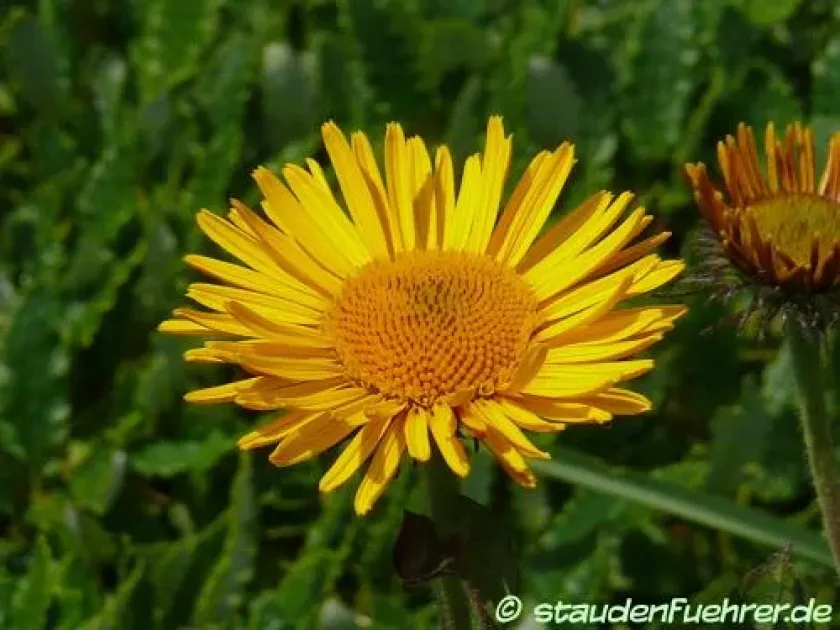
Telekia speciosissima is a hardy perennial belonging to the Asteraceae family. It is prized for its large, lush foliage and distinctive yellow flowers that add significant structure to any botanical or garden setting.
The plant thrives in fertile, moist, and well-draining soils rich in organic matter. While it is adaptable to various soil types, it performs best in neutral to slightly acidic conditions, reflecting its natural habitat in mountain forests.
Watering requirements are high, especially during dry spells. Telekia does not tolerate drought well, and the large leaves will quickly show signs of stress, such as wilting or marginal browning, if moisture levels are insufficient.
Partial shade is the ideal light condition for this species. While it can withstand some sun in cooler climates, it generally prefers locations that provide protection from the harsh midday heat to maintain its vibrant appearance.
Fertilization with a balanced organic compost applied in early spring helps sustain healthy growth. This mimics natural forest soil conditions and provides essential nutrients that support the plant’s vigorous foliage production.
Main diseases and pests
Powdery mildew is the most common fungal disease affecting Telekia, particularly in humid or overcrowded conditions. Proper airflow around the foliage is the best preventative measure against this type of fungal infection.
Slugs and snails are frequent pests that target the plant's succulent young foliage during the early growing season. Using physical barriers, such as copper tape or coarse grit around the base, can effectively deter these pests.
Aphids may occasionally congregate on the flower buds or young stems. These are usually managed by natural predators, but in severe cases, insecticidal soap sprays may be necessary to protect the aesthetic quality of the blooms.
Root rot occurs if the plant is situated in waterlogged soil with poor drainage. Ensuring the planting area has a good structure or added drainage layers is essential for long-term plant health and vigor.
Regular sanitation, including the removal of dead leaves and spent flower heads, is recommended to discourage pests and diseases. Keeping the base of the plant clean reduces the habitat for many common garden pathogens.