
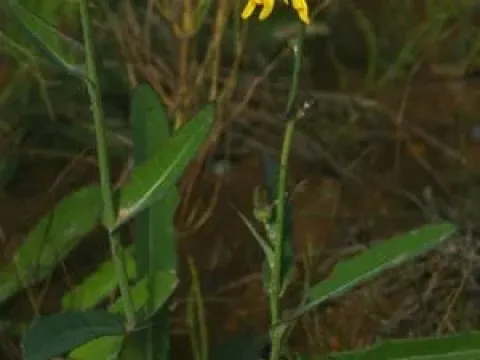
Sonchus brachyotus
Sonchus brachyotus
Sonchus brachyotus is a perennial herbaceous plant belonging to the Asteraceae family. It is recognized as a rhizomatous weed with a complex root system that allows it to survive in various environments across Eurasia.
What the section contains
Sonchus brachyotus
The plant exhibits high adaptability to climate, thriving in regions with moderate rainfall and temperate conditions. It prefers fertile soils but can tolerate poor soil structures, making it a persistent colonizer of disturbed agricultural land.
Botanical features include a fleshy taproot capable of vegetative regeneration even if fractured by tillage equipment. This resilience is a key factor in why Sonchus brachyotus is often categorized as a difficult weed to manage in crop production.
Light requirements for the plant are high, though it can persist in partial shade. Growth is most aggressive during the spring and autumn months when soil moisture levels are optimal for nutrient uptake and root development.
Field management strategies rely on integrated methods, including mechanical weed control such as deep ploughing and systematic harrowing to exhaust root starch reserves. Chemical control should target the active growth phase to ensure translocation to the roots.
The plant is susceptible to various fungal pathogens typical of the Asteraceae family, such as powdery mildew and rust. These diseases can impair the plant's vigor but rarely eliminate established populations entirely.
Insects like aphids and specialized coleoptera often utilize Sonchus brachyotus as a host. While they may cause localized damage, they rarely prevent the weed from spreading across infested agricultural fields.
Root-feeding larvae, such as wireworms, can damage the crown of the plant. However, the high regenerative capacity of the species usually allows it to recover from such localized mechanical stresses quickly.
Phytosanitary risks are higher when the weed acts as a host for crop viruses. Monitoring adjacent fields for early signs of infestation is crucial to prevent the spread of diseases to economically important cereal crops.
Effective management includes maintaining crop health and using suppressive cover crops to shade out the weed seedlings. Combining these practices reduces the reliance on chemical interventions over time.