
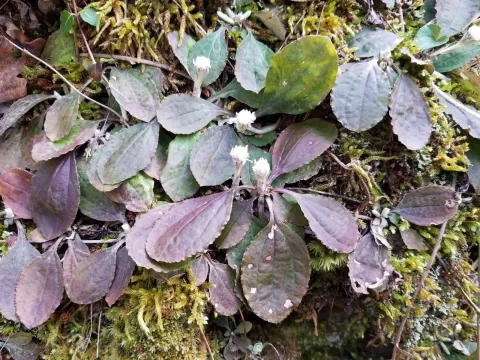
Solitary pussytoes
Antennaria solitaria
Solitary pussytoes (Antennaria solitaria) is a distinct perennial plant within the Asteraceae family. Known for its solitary flowering stalks, it differs from the more common mat-forming pussytoes by preferring shaded, moist environments similar to woodland understories.
What the section contains
Solitary pussytoes
The native distribution of this species is primarily within the forested regions of North America. It thrives in soils rich in leaf litter and organic matter, naturally adapting to the fluctuating humidity levels of hardwood forests throughout the growing season.
For successful cultivation, provide a location with well-drained, slightly acidic soil. Unlike other members of its genus that favor open, dry prairies, this species requires a consistent moisture level while still avoiding waterlogged conditions that can cause crown rot.
Regarding climate, Solitary pussytoes are hardy and adaptable. They perform best in partial shade to full shade, avoiding intense afternoon sun which can scorch their broad, basal leaves. Adequate air circulation is crucial to maintain their health during hot summer months.
Propagation is most efficient through division of mature clumps during the dormant season. Because the plant spreads via stolons, established patches can be lifted and divided every few years to encourage vigorous growth and maintain plant health.
The most significant threat to Antennaria solitaria is root rot, typically induced by poor drainage or overwatering in heavy soil types. Ensuring a sandy or organic-rich soil structure is essential for long-term survival of the plants.
Slugs and snails pose a consistent threat to the foliage, especially in moist shaded gardens. These pests can significantly defoliate the basal rosettes if left unchecked, so implementing physical barriers or organic baits is often necessary.
Fungal issues such as powdery mildew may arise if the plants are placed in areas with stagnant air. Planting at proper spacing densities helps facilitate natural airflow and keeps the leaves dry and healthy throughout the day.
To prevent disease, avoid overhead watering, which increases the humidity on the leaf surfaces. Direct application of water to the base of the plant is the preferred method for maintaining appropriate moisture levels.
Regular maintenance, including the removal of dead leaf litter in early spring, helps reduce the habitat for pests and pathogens. This proactive hygiene is a cornerstone of managing this sensitive species effectively.