
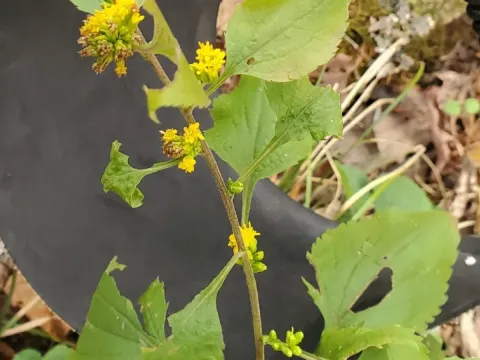
Solidago sphacelata
Solidago sphacelata
Solidago sphacelata, commonly known as a type of goldenrod, is a perennial herb belonging to the Asteraceae family. This species is highly valued in horticulture for its distinct habit and golden-yellow inflorescences.
What the section contains
Solidago sphacelata
The plant originates from North America and is well-adapted to temperate climates. It exhibits significant hardiness, making it a reliable perennial in various landscaping projects across diverse hardiness zones.
Soil requirements for Solidago sphacelata include well-drained conditions with moderate fertility. While it is adaptable to various soil types, loamy soils enriched with organic matter promote the most vigorous growth and development.
The plant thrives in full sun, which is necessary for compact growth and abundant flowering. It is moderately drought-tolerant once established, but providing supplemental water during the peak summer months ensures optimal performance.
Maintenance practices involve periodic division of the clumps every few years to maintain vigor. Applying a layer of organic mulch helps retain soil moisture and prevents competitive weed pressure around the base of the plants.
Powdery mildew is the most common fungal issue affecting Solidago species, particularly in humid environments with poor air circulation. Proper plant spacing is essential to reduce the risk of infection.
Pests such as aphids and leaf beetles can cause damage to the foliage and flower buds. Integrated pest management strategies, including the encouragement of beneficial insects, are effective in controlling these populations.
Root rot occurs primarily in waterlogged soils where drainage is insufficient. Ensuring the planting site has adequate slope or drainage layers is critical for the long-term health of the root system.
Rust diseases can occur during prolonged periods of wet weather. Sanitizing the area by removing and disposing of infected plant material helps prevent the cycle of infection within the garden or field.
Regular monitoring of plant health allows for early detection of potential threats. Maintaining a healthy soil environment and balanced nutrition significantly boosts the plant's natural resistance to common pathogens.