
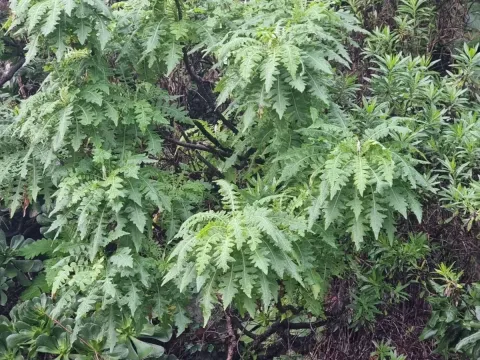
Sonchus pinnatus
Sonchus pinnatus
Sonchus pinnatus is a perennial herbaceous plant belonging to the Asteraceae family. It is a distinctive species endemic to the Madeira archipelago, known for its unique evolutionary history and adaptation to island ecosystems.
What the section contains
Sonchus pinnatus
Cultivation of this species requires conditions that mimic its natural habitat. It thrives in well-drained, nutrient-rich soils with a neutral pH, ensuring that moisture levels remain consistent without becoming waterlogged.
The plant demands a temperate climate with plenty of sunlight. It is not cold-hardy, meaning that in cultivation, it must be protected from frost and sudden temperature drops to ensure survival and optimal growth throughout the year.
Botanically, Sonchus pinnatus is recognized by its pinnately lobed leaves and sturdy structure. Its root system is developed to anchor the plant firmly in rocky or sloped terrain, which is a characteristic feature of its survival strategy.
Agronomic management involves periodic fertilization to support the lush growth of its foliage. Providing adequate spacing is also crucial to ensure proper airflow, which helps prevent fungal issues common in dense plantings.
Fungal diseases remain the primary threat to Sonchus pinnatus, particularly powdery mildew and rusts that develop in high humidity or stagnant air conditions. Proper spacing and ventilation are essential preventive measures.
Aphids represent a common pest threat, frequently congregating on the succulent parts of the plant and causing significant physiological stress. Early detection is key to controlling infestations before they spread.
Leaf-eating insects, such as specific moth larvae, can also cause localized damage to the foliage. Monitoring the leaves for irregular holes or feeding patterns is a standard part of the crop health management plan.
Root system protection is necessary, as soil-borne pests or nematodes can weaken the plant’s overall health. Using sterile growing media and monitoring irrigation water quality can mitigate these risks effectively.
Integrated pest management strategies, focusing on biological controls and physical barriers, are recommended to maintain plant vigor without relying heavily on harsh synthetic chemical treatments.