
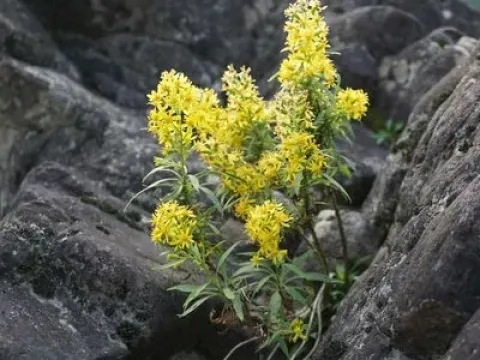
Solidago yokusaiana
Solidago yokusaiana
Solidago yokusaiana is a perennial herbaceous plant belonging to the Asteraceae family. It is a distinctive member of the goldenrod genus, known for its elegant flowering stalks and structural role in garden compositions.
What the section contains
Solidago yokusaiana
Native to East Asia, particularly Japan, this species is adapted to varying environmental conditions. Its natural habitat includes mountain slopes and open spaces, which gives it a high degree of adaptability in cultivated landscapes.
The plant thrives best in locations with full sun to partial shade. Exposure to direct sunlight is generally preferred, as it ensures stronger stems and a more prolific blooming cycle during the late summer and autumn months.
Regarding soil requirements, Solidago yokusaiana prefers fertile, well-draining soil. It is tolerant of various soil textures, but waterlogged conditions should be strictly avoided to maintain the health of the rhizomatous root system.
Cultivation practices involve basic maintenance, including mulching to retain moisture and periodic fertilization during the early spring growth phase. Dividing the clumps every few years is recommended to keep the plant vigorous.
The primary diseases affecting this plant include powdery mildew and rust. These fungal issues typically arise during periods of high humidity or poor airflow, often requiring timely intervention to prevent foliage damage.
Pests such as aphids and leaf-eating beetles can become a concern. Routine monitoring is essential, especially when young flower buds begin to emerge, as they are particularly susceptible to sap-sucking insects.
To mitigate the risk of disease, gardeners should ensure proper spacing between plants to allow for air circulation. This simple measure reduces the leaf surface moisture that often triggers fungal infections.
When chemical treatments are necessary, choose products specifically formulated for perennials. Always follow the manufacturer's guidelines regarding application rates to avoid potential phytotoxicity.
Sanitary pruning at the end of the season is a critical step in integrated pest management. Removing and disposing of old stems prevents the overwintering of various pathogens and insect eggs.