
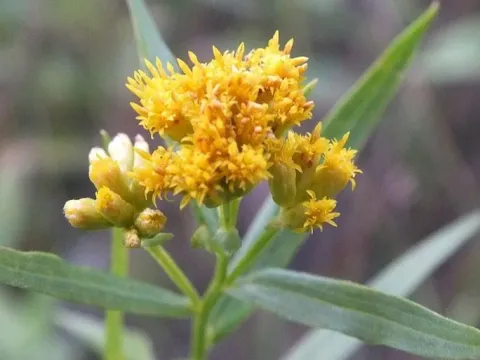
Solidago minor
Solidago minor
The sowing of Solidago minor is ideally timed for early spring, once the soil temperature consistently reaches 10–12 degrees Celsius. Alternatively, late autumn sowing can be performed to allow for natural cold stratification of the seeds, which often leads to more uniform germination in the spring.
What the section contains
Solidago minor
Due to the extremely small size of the seeds, they should be sown shallowly, with a covering of no more than 1 centimeter of fine soil or vermiculite. Light is a crucial factor for the germination process, so they must not be buried deeply, or emergence will be significantly inhibited.
For commercial cultivation, row spacing should be maintained at 45 to 60 centimeters. This provides sufficient room for the plant to spread its rhizomes while allowing mechanical equipment access for weed control and nutrient application throughout the growing season.
The seeding rate typically ranges between 2 to 3 kilograms per hectare. A critical step after planting is the use of a lightweight roller to ensure proper soil-to-seed contact, which prevents desiccation and encourages faster seedling establishment.
Seedlings usually emerge within two to three weeks under optimal moisture conditions. During this delicate stage, it is essential to maintain consistent surface moisture to prevent soil crusting, which can easily trap the fragile seedlings and prevent them from reaching sunlight.
Solidago minor belongs to the Asteraceae family and is highly adaptable to various soil profiles. It thrives best in well-drained loamy or sandy soils with a pH ranging from 6.0 to 7.0, although it shows good tolerance for moderately acidic conditions typical of many forest-edge habitats.
The crop requires full sun exposure to reach its maximum biological potential. While it can survive in partial shade, decreased light levels negatively correlate with the concentration of secondary metabolites in the harvested biomass and reduce the vigor of flower production.
Water requirements are moderate. While the species demonstrates notable drought resistance once the root system is fully established, supplemental irrigation during prolonged dry spells in mid-summer is recommended to maintain vegetative growth and ensure high-quality floral output.
Fertilization should be handled with care. Excess nitrogen can lead to lush, foliage-heavy growth that is prone to lodging and increased disease pressure. Instead, a balanced NPK fertilizer application in early spring, combined with organic matter, generally supports long-term plantation health.
This perennial is known for its longevity and can remain productive for up to six years before the crown becomes too dense and requires rejuvenation. Dividing the rhizomes every few years can help maintain plant vigor and prevent the yield decline associated with aging root stocks.
The primary concern for Solidago minor in intensive cultivation is fungal disease, particularly powdery mildew, which often appears in late summer. Improving air circulation by thinning the plant density is a key preventative strategy that reduces the humidity around the leaves.
Rust diseases can also manifest as orange pustules on the undersides of leaves, especially during humid, rainy seasons. Proper sanitation—removing and disposing of infected plant debris—is necessary to minimize the spread of spores and prevent reinfection in subsequent years.
Pests such as aphids may congregate on the flower buds, distorting growth and reducing the value of the final product. Monitoring is essential; biological controls, such as introducing ladybugs or applying insecticidal soaps, are often preferred to maintain the quality of medicinal-grade crops.
Slugs and snails can be highly destructive to young plants during the establishment phase. Using physical barriers or copper tape around small plots can be effective, while in larger field settings, the management of surrounding weeds helps to reduce the damp harborages where these pests congregate.
Overall, Solidago minor is a resilient crop, and most health issues arise from improper water management or excessive shade. By focusing on site selection and ensuring proper drainage, growers can keep chemical interventions to an absolute minimum throughout the growing cycle.
Harvesting is performed during the peak blooming stage when the yellow inflorescences are fully developed but have not yet begun to form seeds. This is the moment when the concentration of flavonoids and other bioactive compounds is at its peak in the aerial parts.
The plants are harvested by mowing the top section of the stem, leaving roughly 20–30 centimeters of the plant above the ground. This remaining stubble is vital for the plant's ability to store energy in the rhizomes to survive the upcoming winter period.
Post-harvest, the biomass should be processed immediately to prevent degradation due to heat buildup. Spreading the material in thin, airy layers in a shaded, well-ventilated barn or utilizing industrial drying kilns is necessary to preserve the essential oils and color.
Temperature control during drying is critical; the thermostat should be set no higher than 45 degrees Celsius to prevent the loss of volatile compounds. Properly dried herb should reach a moisture content of approximately 12 percent, which ensures long-term stability during storage.
Once dried, the product should be stored in opaque containers or moisture-proof bags, protected from direct sunlight and humidity. Storing the crop in a cool, dark environment maintains the medicinal quality and aroma of the goldenrod throughout the off-season until distribution.