
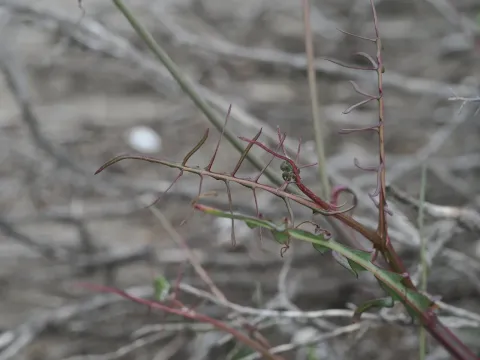
Sonchus microcephalus
Sonchus microcephalus
Sonchus microcephalus is a plant species belonging to the Asteraceae family. While often categorized as a wild plant, its agricultural value as a forage component is recognized in specific ecological contexts due to its rapid biomass production.
What the section contains
Sonchus microcephalus
The optimal time for sowing is during the early spring when the soil temperature consistently reaches 10–12 degrees Celsius. Sufficient soil moisture is critical at this stage to ensure uniform and rapid germination of the seeds.
Seeds should be sown at a shallow depth, typically 1 to 2 centimeters. Because the seeds are small, it is essential to ensure they have good contact with the soil through light rolling, which facilitates moisture uptake.
When cultivated in an agricultural setting, maintaining an appropriate sowing density is key. Overcrowding can lead to excessive competition for sunlight and nutrients, which hinders the overall development of the crop stand.
Seedbed preparation is vital; the ground should be leveled and cleared of competitive weed species prior to sowing. This preparation creates the uniform environmental conditions necessary for consistent growth across the entire field.
The plant requires full sun exposure for optimal growth and biomass accumulation. Shaded conditions lead to etiolation, where stems become weak and spindly, significantly reducing the quality of the forage material.
Sonchus microcephalus thrives in fertile, well-drained loamy or sandy loam soils. It is sensitive to waterlogged conditions, which can lead to root system decay and poor plant performance.
The crop responds positively to balanced fertilization, particularly nitrogen inputs during the early vegetative stage. Such management practices ensure robust leaf development and increase the nutritional content of the forage.
Moderate climatic conditions with stable temperatures are preferred. The plant demonstrates good resistance to minor temperature fluctuations in early spring, allowing it to establish itself effectively before the heat of the summer.
Soil management should include regular inter-row cultivation to prevent surface crusting and improve aeration. This practice encourages deeper root penetration and promotes healthier, more resilient plant populations.
The yield potential of Sonchus microcephalus is high when grown under proper agronomic conditions. It is known for its ability to produce multiple cuts throughout the growing season in favorable environments.
Productivity is significantly enhanced by irrigation during dry periods, which can allow for an additional harvest. Proper nutrient management after each cut is essential for quick regrowth and high seasonal output.
To maximize nutritional quality, the harvest should occur during the budding phase. At this time, the plant contains its highest concentration of proteins and essential carbohydrates, making it highly suitable for livestock feed.
Field management, including timely weeding, contributes to cleaner yields and reduces the presence of non-target biomass. Clean harvests are critical for ensuring the stability and safety of the final feed product.
Proper storage conditions post-harvest, such as control over moisture levels, are necessary to preserve the quality of the harvested biomass and prevent loss due to mold or fermentation issues.
The most significant threats to the crop include various fungal diseases like powdery mildew. These pathogens thrive in high humidity and areas with poor air circulation, necessitating consistent field monitoring.
Pests such as aphids pose a serious risk by feeding on the plant's sap, which weakens the stems and reduces photosynthesis. Early detection is crucial to prevent infestations from spreading throughout the field.
Effective management involves a combination of integrated pest management (IPM) practices, such as crop rotation and the use of targeted biological controls, to keep pest and disease levels below the economic threshold.
Mechanical damage during routine field operations can expose plant tissues to opportunistic infections. Care should be taken to use appropriate equipment settings to minimize physical injury to the crop.
- Powdery mildew
- Root rot pathogens
- Aphids
- Leaf-eating insects
Harvesting is typically performed using forage mowers. It is best to schedule harvesting during dry weather to facilitate rapid curing and reduce the risk of nutritional loss during the post-harvest period.
A cutting height of 5–8 centimeters is recommended. This leaves sufficient vegetative tissue for the plant to recover quickly, ensuring better yields for subsequent cuttings during the season.
After cutting, the material should be wilted in the field for one to two days. This process lowers moisture content to a level suitable for hay production or ensiling, which is essential for long-term feed preservation.
Ensiling requires thorough compaction of the plant material to create anaerobic conditions, which promotes the development of beneficial bacteria and inhibits the growth of spoilage organisms.
Transportation of the harvested biomass should be conducted promptly to prevent overheating. Overheated feed loses its nutritional profile and can become hazardous for animal consumption if left in piles for too long.