
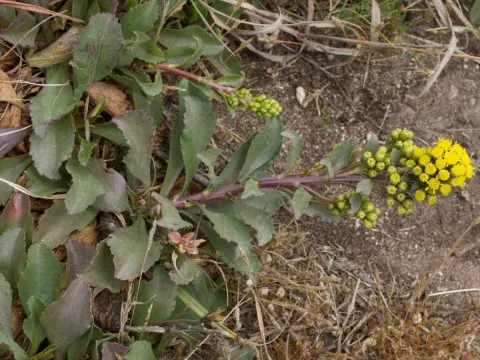
Solidago spathulata
Solidago spathulata
The sowing of Solidago spathulata is typically performed in late autumn for outdoor sowing or in spring under protected conditions for seedlings. Cold stratification of the seeds for several weeks significantly improves the germination rate and ensures uniform development of sprouts.
What the section contains
Solidago spathulata
When sowing in spring for seedlings, seeds should be spread over the surface of a nutrient-rich substrate, lightly covered with vermiculite or a thin layer of sand. It is critical to maintain constant soil moisture until the first true leaves appear.
Transplanting hardened seedlings into the field is carried out after the threat of frost has passed, usually in late May. Plants should be spaced 30 to 40 centimeters apart to ensure optimal air circulation and prevent fungal growth.
For vegetative propagation, the Solidago clump should be divided in spring or early autumn. Dividing a mature plant not only provides new planting material but also rejuvenates the mother plant, maintaining its aesthetic and vigorous qualities.
Selecting a planting site must be carefully planned, as the plant can remain in one spot for up to 5–7 years without transplanting. This culture prefers sunny locations where the inflorescences develop the most vibrant color.
Solidago spathulata belongs to the Asteraceae family and is a resilient perennial plant. In its natural habitat, it thrives in mountainous and coastal regions of North America, which accounts for its high adaptability to varying environmental conditions.
The crop has moderate soil requirements, but it develops best in light, well-drained soils with a neutral or slightly acidic pH level. Excessive moisture and waterlogging can lead to root system decay, which is detrimental to plant health.
The plant demonstrates high frost resistance and is capable of surviving harsh winters, making it a viable crop for many climatic zones. During the period of active growth, Solidago requires moderate watering, especially during the dry summer months.
Maintenance throughout the season includes weeding the root zone, as the plant does not tolerate harsh competition from weeds. Mulching the soil with humus or bark helps retain moisture and inhibits the growth of unwanted vegetation.
Fertilization with mineral fertilizers containing high phosphorus and potassium levels should be performed twice a season: at the beginning of the budding phase and after flowering concludes to prepare the plant for winter dormancy.
The primary diseases affecting Solidago spathulata are fungal infections, such as powdery mildew, which often occurs in dense plantings and high-humidity environments. Regular ventilation of the site significantly reduces the risk of infestation.
Rust can also manifest on leaves as characteristic spots, requiring timely application of broad-spectrum fungicides. It is essential to remove and dispose of infected plant parts to prevent the further spread of spores.
Among pests, leaf-chewing insects and aphids that feed on the sap of young shoots pose the greatest threat. To manage pest populations, it is recommended to use biological control methods or systemic insecticides.
Root rots may occur due to systematic waterlogging of the soil, especially in heavy clay areas. A well-organized drainage system is the best preventative measure for such issues in the agronomy of this crop.
In some years, plant damage by nematodes may occur, requiring careful monitoring of the root system and adherence to crop rotation rules when growing the plant on an industrial scale.
The commercial use of Solidago spathulata focuses on ornamental gardening and the production of floral raw materials. Harvesting inflorescences for bouquets should be done when the majority of flowers in the panicle have opened but remain firm.
Using sharp garden tools during harvest prevents stem damage and preserves the product's marketability. Cut flowers should be placed immediately into cool water to extend their vase life.
For dried flower production, harvesting occurs at the full bloom stage. Stems are tied in small bunches and hung upside down in a dark, dry, and well-ventilated area to ensure uniform drying.
In landscape design, it is important to remove faded inflorescences promptly to prevent self-seeding and to encourage the plant to direct its energy into the rootstock. This also gives the garden a tidy appearance in autumn.
Complete cutting of the aerial part should be performed in late autumn, leaving stumps 5–10 centimeters above the ground. This facilitates spring cleanup and allows the plant to better prepare for the winter dormant season.