
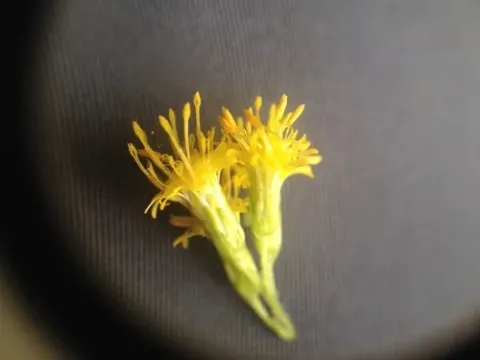
Solidago microglossa
Solidago microglossa
Seeds are sown in the spring once the soil temperature consistently reaches 15 degrees Celsius, ensuring optimal conditions for germination.
What the section contains
Solidago microglossa
The surface sowing method is recommended, as the seeds require exposure to light to initiate the development process effectively.
Seedlings are typically raised in trays and transplanted into the field after they have developed three to four true leaves, usually within four weeks.
For large-scale cultivation, propagation via rhizome division is often preferred as it ensures uniformity and faster establishment of the crop stand.
Maintaining consistent moisture levels during the establishment phase is critical, as young plants are sensitive to both waterlogging and drought stress.
The crop thrives in sunny locations with well-drained soil, avoiding heavy clays that might impede root respiration and water drainage.
Soil pH levels should ideally be maintained in the range of 6.0 to 7.0 to ensure optimal availability of micronutrients required for healthy growth.
Although resilient, the plant requires supplementary irrigation during prolonged dry spells, especially during the stage of peak vegetative expansion.
Adding organic matter to the soil prior to planting significantly boosts yield potential and helps in maintaining soil structure over the multi-year cycle.
The plant is highly adaptable to various temperate climates, showing excellent frost tolerance once the root system is well-established.
Yield stability is achieved from the second year onwards, once the plant has fully developed its extensive root system and rhizome structure.
Regular harvesting of vegetative biomass throughout the growing season can produce multiple cuts if the plants are managed correctly.
Average productivity typically ranges from 3 to 5 tons of dried mass per hectare, depending heavily on fertilization and irrigation management.
Yield quality is determined by the timing of the harvest, as the concentration of active chemical compounds fluctuates with the plant life cycle.
Producers are advised to monitor the health of the stand annually, as productivity may decline if the plants become too dense or crowded.
Pests such as aphids and spider mites are common in dry conditions, requiring proactive monitoring and potential use of biological control agents.
Powdery mildew represents the primary fungal threat, particularly in regions where humidity levels remain high during the late summer months.
Weed control is essential during the early developmental stages, as the plant competes poorly with aggressive fast-growing annual grasses.
Implementing a proper crop rotation strategy helps to reduce the build-up of soil-borne pathogens that could potentially impact yield and quality.
Monitoring for signs of root rot caused by drainage issues is vital, as this can lead to patchy growth across the field and economic losses.
The harvesting process begins precisely at the start of the flowering phase to maximize the yield of essential compounds present in the plant tissues.
Automated harvesting equipment can be utilized to ensure that the biomass is cut at the recommended height for rapid plant recovery.
Post-harvest drying must occur rapidly in a well-ventilated space to maintain the phytochemical integrity and visual quality of the product.
Proper storage in moisture-proof containers is required to protect the dried material from potential environmental degradation and pests.
Regular maintenance of the harvesting machinery is necessary to prevent contamination of the plant material with oils or metal fragments.