
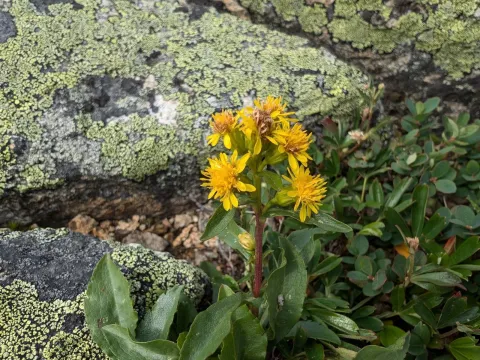
Solidago leiocarpa
Solidago leiocarpa
The planting of Solidago leiocarpa begins in early spring once the soil temperature consistently reaches 12 degrees Celsius. For optimal results, seeds should be sown in trays under greenhouse conditions to ensure steady germination before moving them to outdoor plots.
What the section contains
Solidago leiocarpa
Because the seeds are very small, they require light for germination and should only be lightly pressed into the soil surface. Covering them with a thin layer of substrate is unnecessary and may actually hinder the emergence of the seedlings.
When sowing directly into the field, clear the area of all competing weeds and debris. Ensure a spacing of at least 40 centimeters between plants to allow for proper airflow and prevent the competition for nutrients and water as the plants mature.
Maintaining soil moisture during the first few weeks after sowing is essential for success. Using a fine misting system or a gentle sprinkler helps keep the surface moist without washing the seeds away from their designated spots.
Once seedlings reach a height of 5-7 centimeters, they are ready for hardening off. This process involves gradually exposing them to outside temperatures over a period of seven days before final transplantation.
Solidago leiocarpa is a member of the Asteraceae family that thrives in well-drained, fertile soil. It performs best in loam or sandy-loam conditions with a neutral to slightly acidic pH, avoiding heavy clay soils that retain excess moisture.
Full sun is a critical requirement for this crop, as insufficient light levels result in weak stems and poor flower development. While it is quite adaptable, exposure to at least six to eight hours of direct sunlight is ideal for maximum yield.
The plant is highly hardy and can withstand varying climate conditions, including harsh winters. It is well-adapted to temperate zones, provided that the planting site has an excellent drainage system to prevent waterlogging during the dormant season.
Watering should be balanced, focusing on the root zone rather than the foliage. During the peak of summer, consistent irrigation is necessary to support the vigorous growth of the inflorescences, though the plant is moderately drought-tolerant once established.
Fertilization with a balanced NPK fertilizer in the early spring encourages robust vegetative growth. In mid-summer, switching to a high-potassium formula can improve the quality and intensity of the blooms without promoting excessive leaf expansion.
Powdery mildew is the most common fungal issue encountered by growers, especially in regions with high humidity. Improving air circulation by pruning the lower leaves and maintaining proper plant density significantly reduces the risk of infection.
Aphids can frequently target the soft, succulent growth at the tips of the shoots. Applying organic insecticidal soap or introducing natural predators such as ladybugs provides effective and environmentally friendly control of these populations.
Rust diseases might appear during wet, cool seasons as orange-brown spots on the leaves. Infected foliage should be removed immediately and destroyed to prevent the spores from spreading further across the plantation.
Root rot is almost always the result of poor drainage or overwatering. By amending the soil with sand or organic matter, growers can prevent the conditions that favor the development of soil-borne pathogens.
Regular monitoring of the crop, particularly looking under the leaves, allows for the early detection of pests. Integrated pest management strategies are highly recommended to keep the plantation healthy and productive.
Harvesting for commercial or medicinal use should occur during the full bloom phase, when the concentration of volatile oils and active compounds is at its highest. Sharp pruning shears are used to cut the stems cleanly above the base.
After harvest, the stems should be dried in a dark, well-ventilated location. Hanging them upside down in small, loose bundles ensures that the flowers retain their shape and color without turning brown due to mold.
Once completely dry, the material should be stored in a cool, dry environment away from direct sunlight to preserve its quality. Proper storage conditions are essential to maintain the market value of the harvested product.
The remaining basal part of the plant should be pruned back to approximately 10-15 centimeters after the harvest is complete. This practice allows the plant to redirect its energy into the root system for winter storage.
For those growing the crop for honey production, the harvest should be delayed until the pollinators have finished their work. This supports the local ecosystem while still allowing for a late-season harvest of the vegetative parts.