
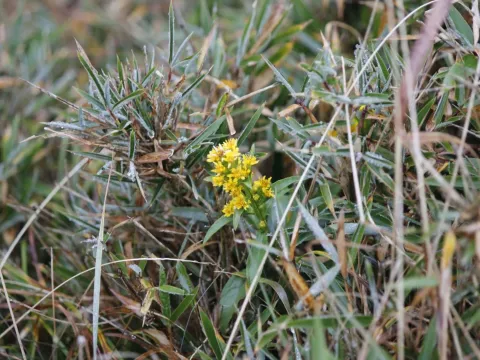
Solidago decurrens
Solidago decurrens
Solidago decurrens is a perennial herbaceous plant belonging to the Asteraceae family, typically propagated through seeds or by division of rhizomes.
What the section contains
Solidago decurrens
Sowing in open fields should occur in mid-spring, once the soil has warmed sufficiently and the danger of frost has passed to ensure high germination rates.
For better results, seedlings can be started in a greenhouse during late winter, which allows plants to reach sufficient maturity before being transplanted.
The seeds are small and should be sown shallowly; covering them with a very thin layer of substrate is sufficient to provide the necessary contact with moist soil.
Correct plant spacing is essential as the species has a vigorous root system, which may become invasive if not managed correctly within the cropping area.
This crop thrives in sunny locations but is adaptable to partial shade, making it a versatile choice for different field configurations and microclimates.
Soil requirements are relatively moderate, preferring fertile, well-drained loamy soils that maintain consistent moisture levels throughout the growing season.
Solidago decurrens displays high winter hardiness, allowing it to survive extreme temperature fluctuations, which makes it suitable for various climatic zones.
During the peak of summer, irrigation is necessary to prevent water stress, which can lead to stunted growth and reduced quality of the herbal mass.
Fertilization with a balanced mix of nitrogen, phosphorus, and potassium encourages healthy vegetative growth and maximizes the yield of flower stalks.
The economic value of this plant lies in its medicinal properties, specifically the aerial parts containing flavonoids and tannins used in phytotherapy.
The yield of raw biomass is highly dependent on plantation density and the quality of maintenance provided throughout the vegetative cycle.
Optimal productivity is usually reached by the third year of cultivation, once the plant population has fully established its extensive root system.
Besides medicinal production, the crop serves as an excellent late-season honey plant, supporting pollinator health and potentially providing extra income.
Consistent harvest yields require proactive management of soil nutrients and efficient weed control to minimize competition for resources.
Powdery mildew is the most common fungal disease affecting the foliage, particularly under conditions of high humidity and poor air circulation within the canopy.
Insect pests such as aphids and leaf beetles can cause significant damage to the plant, potentially decreasing the medicinal quality of the harvested material.
Fungicide application should be performed as a preventive measure when weather conditions favor the development of fungal spores.
Cultural control methods, such as removing infested plant parts and ensuring appropriate spacing between rows, remain the first line of defense.
Biological control agents can be utilized to manage aphid populations without compromising the organic standard of the herbal product.
Harvesting should be timed to the early flowering phase, as this is when the concentration of essential active compounds is at its maximum level.
The stems are cut and bundled for drying, which must occur in a dark, shaded environment to prevent the degradation of light-sensitive compounds.
Drying facilities must be well-ventilated to avoid moisture accumulation, which can lead to mold development and the loss of the entire harvest batch.
Once dried, the stalks are processed to remove woody impurities before packaging in moisture-proof containers for long-term storage.
Regular harvesting also helps in preventing the plant from setting seed, thereby controlling its spread into adjacent areas of the field.