
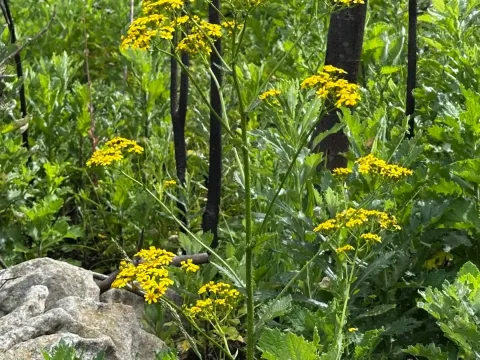
Rigid ragwort
Senecio rigidus
Rigid ragwort (Senecio rigidus) is a perennial herbaceous plant belonging to the Asteraceae family. This species is recognized for its biological resilience and potential for specialized crop production, particularly in climates that mimic its native southern African habitat.
What the section contains
Rigid ragwort
The plant features a strong root system, allowing it to survive in varied environmental conditions. Its morphological structure makes it highly efficient at resource utilization, which is a significant advantage when grown in marginal lands with limited irrigation access.
Optimal growth requires well-drained, nutrient-rich soils. The plant shows a preference for sunny locations, as exposure to full sunlight is essential for the development of its chemical profile. Maintaining the correct soil pH is vital for ensuring the availability of essential minerals for plant growth.
Temperature management is crucial; although the plant is hardy, it benefits from protection against extreme frosts. In field conditions, proper spacing between rows is recommended to allow for maximum foliage exposure and adequate air movement throughout the canopy.
Agronomic practices for this crop involve periodic cultivation of the inter-row space to ensure soil aeration and moisture retention. Fertilization programs should be tailored to soil tests, focusing on balanced nutrient supply to support consistent vegetative growth.
Aphids are the primary insect pests affecting this crop. These insects typically infest the terminal buds and younger leaves, resulting in stunted development if left uncontrolled. Integrated pest management strategies are advised to keep populations under economic thresholds.
Fungal pathogens such as powdery mildew represent a significant threat during periods of high atmospheric humidity. Preventing overcrowding and ensuring sufficient sunlight helps in maintaining a microclimate that is unfavorable to fungal spore development.
Root rot is a major concern when soil drainage is inadequate. Overwatering can rapidly lead to root decay, necessitating careful monitoring of soil moisture content and the implementation of drainage solutions if necessary.
Underground pests like wireworms may occasionally damage the root structure. Crop rotation is an effective preventive measure to break the life cycle of these pests and maintain the long-term health of the soil profile.
Regular scouting for early signs of leaf spot diseases is recommended to facilitate immediate intervention. Maintaining plant vigor through optimal nutrition is the most effective biological defense against many opportunistic infections.