
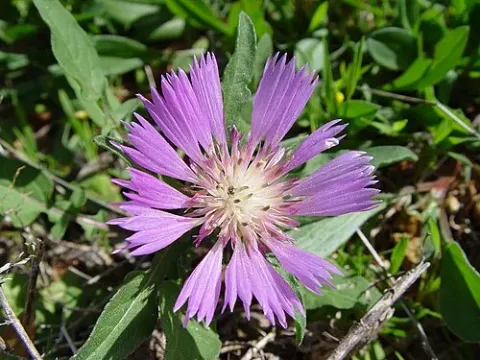
Rigid cornflower
Centaurea rigida
Sowing Rigid cornflower seeds is best performed in the spring when soil temperatures stabilize at around 10–12 degrees Celsius. Alternatively, dormant autumn seeding can be done just before the ground freezes, which allows for earlier spring germination.
What the section contains
Rigid cornflower
The seeds should be sown in rows spaced approximately 30 to 45 centimeters apart to ensure each plant has adequate space for growth. Proper seedbed preparation is vital, involving the removal of debris and the creation of a fine tilth for consistent seed-to-soil contact.
Seed placement should be shallow, at a depth of 1–2 centimeters, as the seeds require sufficient light to trigger the germination process. Under optimal moisture conditions, seedlings usually emerge within two to three weeks after sowing.
Transplanting seedlings started indoors is a viable method to extend the growing season. Plants should be hardened off for a week before moving them to their permanent outdoor location to prevent transplant shock.
Weed management during the initial growth phase is crucial for the establishment of the crop. Regular cultivation between the rows helps suppress weed competition and improves the oxygen exchange in the root zone.
Rigid cornflower is a member of the Asteraceae family that thrives in full sun conditions. Exposure to direct sunlight is essential for the plant to maintain its structural integrity and reach its maximum potential in terms of biomass production.
The plant prefers well-drained, sandy loam soils that possess a neutral to slightly alkaline pH. If the soil is too heavy or prone to waterlogging, it should be amended with organic matter or gravel to facilitate proper water movement.
One of the most notable features of this species is its high drought tolerance once it has established a mature root system. This trait makes it an ideal candidate for cultivation in arid or semi-arid regions where water resources are limited.
Rigid cornflower is highly adaptable to temperature fluctuations, showing significant winter hardiness in temperate zones. It does not require special winter protection, as it naturally dies back to the roots before the onset of the dormant period.
During the peak vegetative stage, supplemental potassium and phosphorus fertilizers can enhance flowering and structural strength. Excessive nitrogen should be avoided, as it may lead to weak, elongated stems that are prone to lodging.
Fungal diseases, specifically root rot and powdery mildew, are the primary threats to the health of the crop. These pathogens typically flourish when humidity levels are excessively high or when plants are crowded together.
Effective prevention strategies include ensuring proper airflow between plants and strictly adhering to crop rotation schedules. By not planting Rigid cornflower in the same location for multiple consecutive years, the buildup of soil-borne pathogens can be minimized.
Pests such as aphids and spider mites can cause damage by feeding on the sap of the leaves and stems. Regular scouting is essential; once these pests are identified, localized applications of insecticidal soaps or systemic pesticides may be required.
Stem-boring insects can occasionally affect the plant's development, leading to structural instability. Monitoring the lower parts of the stem for signs of entry holes and removing affected plants helps prevent the spread of these pests.
Sanitation practices after the harvest are critical. Removing and destroying all plant residue prevents the overwintering of pests and spores, thereby providing a cleaner environment for the next cycle of the crop.